
The Repair Shop Brief in Roodepoort
The client was a busy repair shop handling pumps, shafts, brackets, housings and general maintenance work for local industry in Roodepoort. Jobs came in fast and often without perfect material details, so the team needed cutting tools that could cope with mild steel, stainless, cast iron and the odd hardened edge without constant resetting.
The brief was clear: reduce drill wander, improve hole finish and keep tool life consistent across day shifts and after-hours work. They also wanted advice they could use on the floor, not theory, because the same machine might run a production repair in the morning and a one-off emergency at 4pm.
What Was Holding the Job Up
The main issue was that long drills were flexing on short, shallow maintenance holes, especially where the entry face was uneven or already damaged. That made the hole drift, increased chatter and left the operators spending extra time correcting size before tapping or reaming.
- Frequent drill walking on worn or curved surfaces
- Poor chip control on stainless and mixed scrap material
- Too much heat build-up during repeated short runs
- Inconsistent life between morning and night shifts
- Stock pressure because the shop could not afford to wait for special tools
On top of that, load-shedding meant the team wanted tools that could restart cleanly after a stop without wrecking the part or the cutter. In a repair shop, that matters as much as the initial cut.
Tools Supplied and Why They Worked
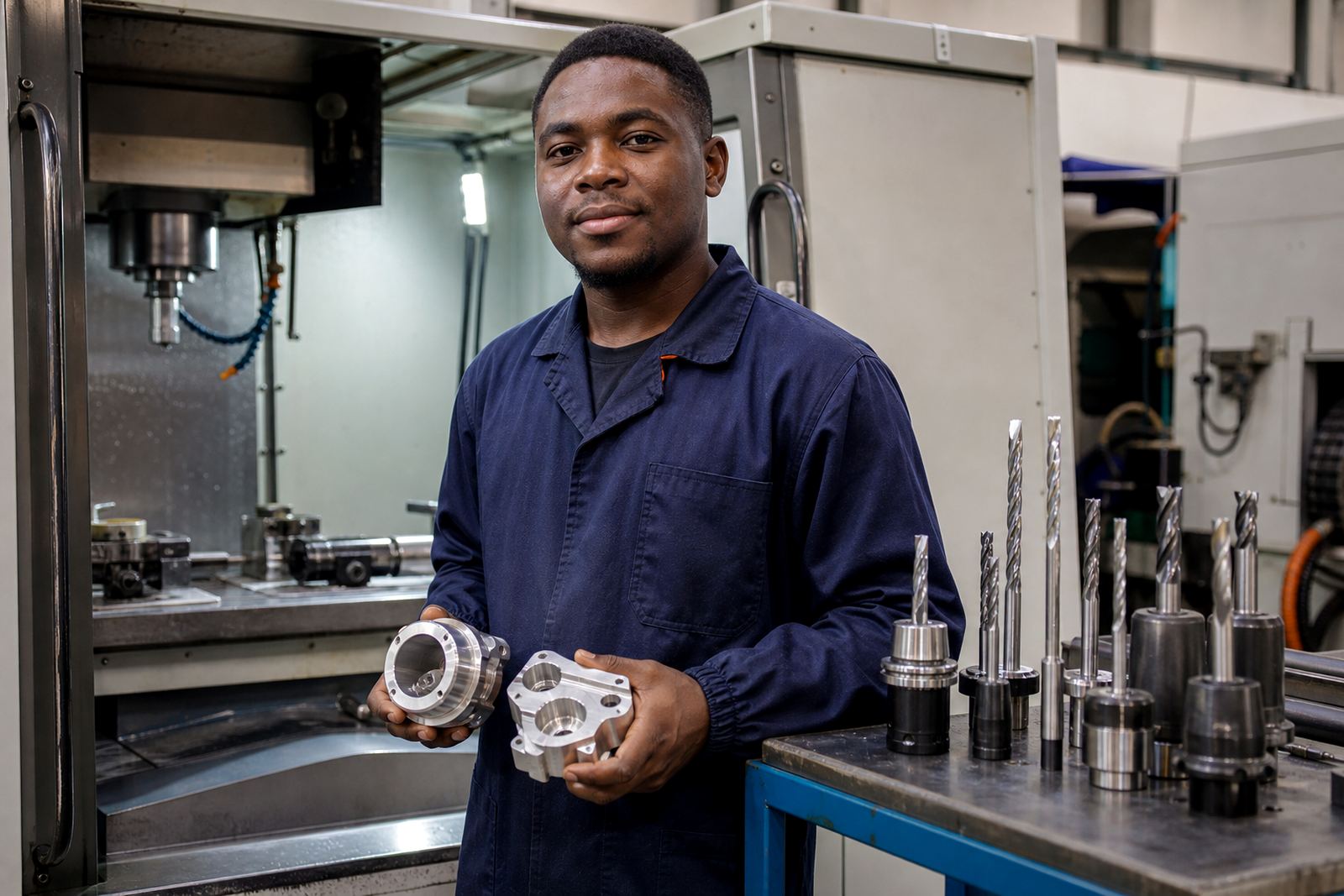
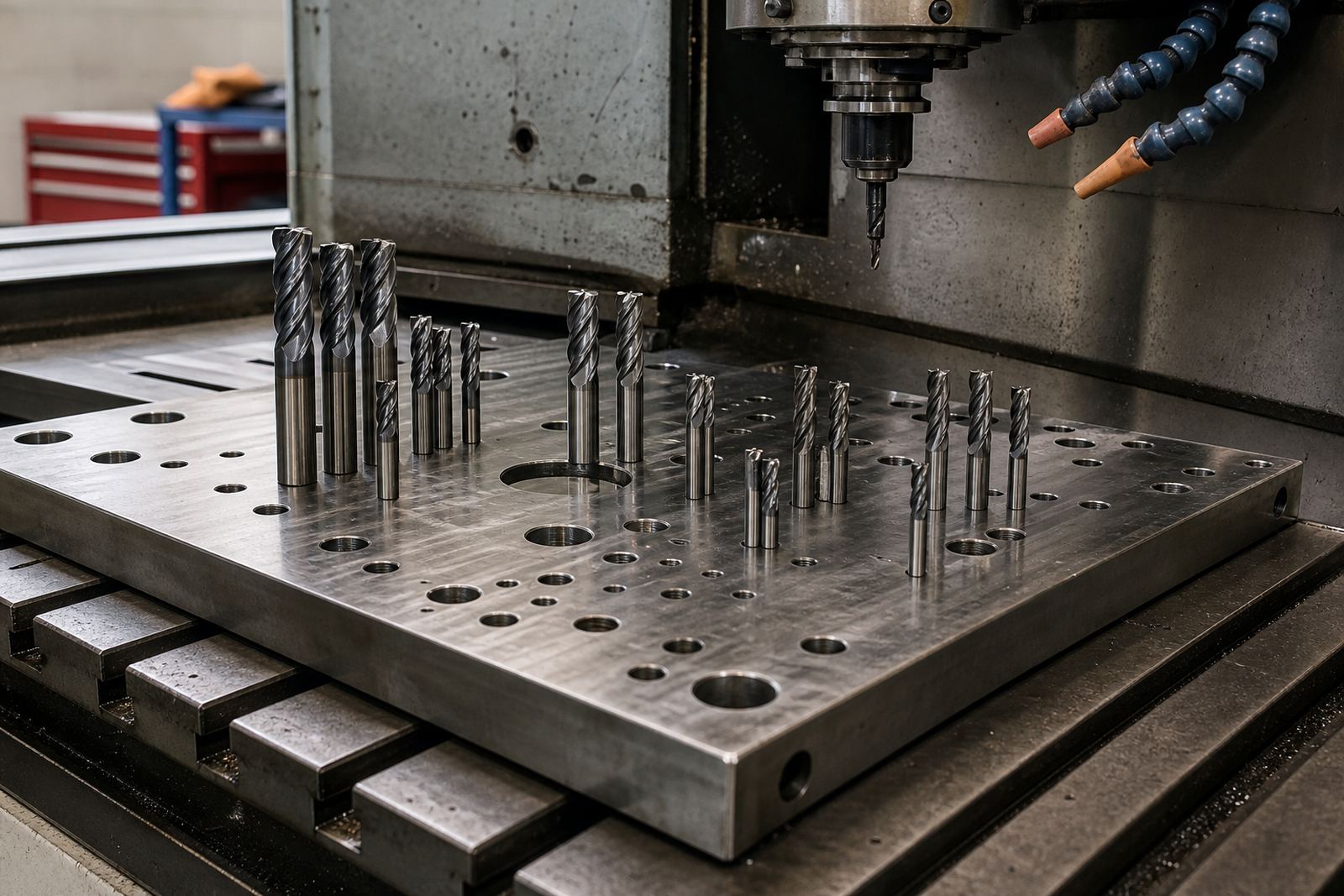
We supplied solid carbide stub drills for the core maintenance sizes, plus end mills suited to profiling, slotting and light pocketing on repaired components. The short flute length and stiffer body gave better control on the smaller machines they use for quick turnaround work.
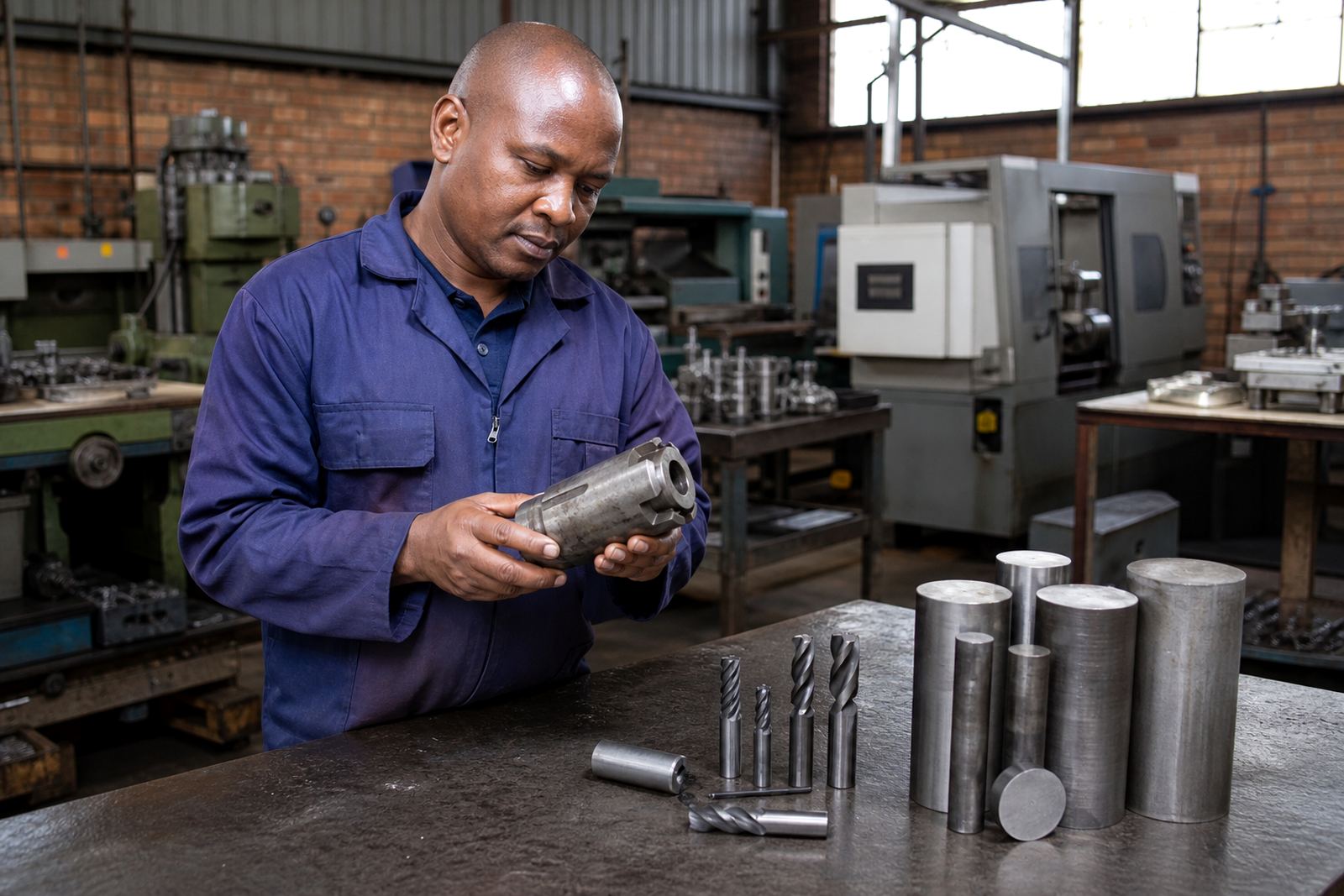
We matched the tools to the shop’s most common materials and hole depths, then set up a simple selection guide so the operators knew which tool to reach for first. The goal was not to replace every tool in the cupboard, only the ones that were causing delays.
- Solid carbide stub drills for short, accurate holes
- General purpose and high performance end mills for mixed repair work
- Tool suggestions by material: mild steel, stainless, cast iron and alloy parts
- Practical speed and feed notes for first run testing
The team also asked for advice on starting holes after weld repair and on surfaces that had been flame cut. We recommended a lighter first pass, then a cleaner finishing pass once the face had been trued up.
Trial Timeline and Shop Floor Support
The project ran over three weeks. In week one we reviewed the common jobs, material mix and machine constraints. Week two was for sample tool trials on the repair floor, with the team checking hole location, finish and wear after each run. By week three we had settled on the best performing sizes and confirmed the repeat settings.
Johan Smit handled the technical side with the shop foreman, while Lerato Mokoena kept the supply side moving so the trial never stalled waiting for stock. Anele Dlamini coordinated dispatch from Wadeville, Germiston and made sure the right sizes were available when the client needed them.
- Week 1: job review and material mapping
- Week 2: sample trials on active repair jobs
- Week 3: final selection and reorder planning
Results on Maintenance Jobs
After the switch, the shop saw cleaner starts on short holes and less rework before tapping. The stub drills helped the operators keep the hole on line, which cut down on wandering at the entry point and reduced the number of parts that had to be corrected by hand.
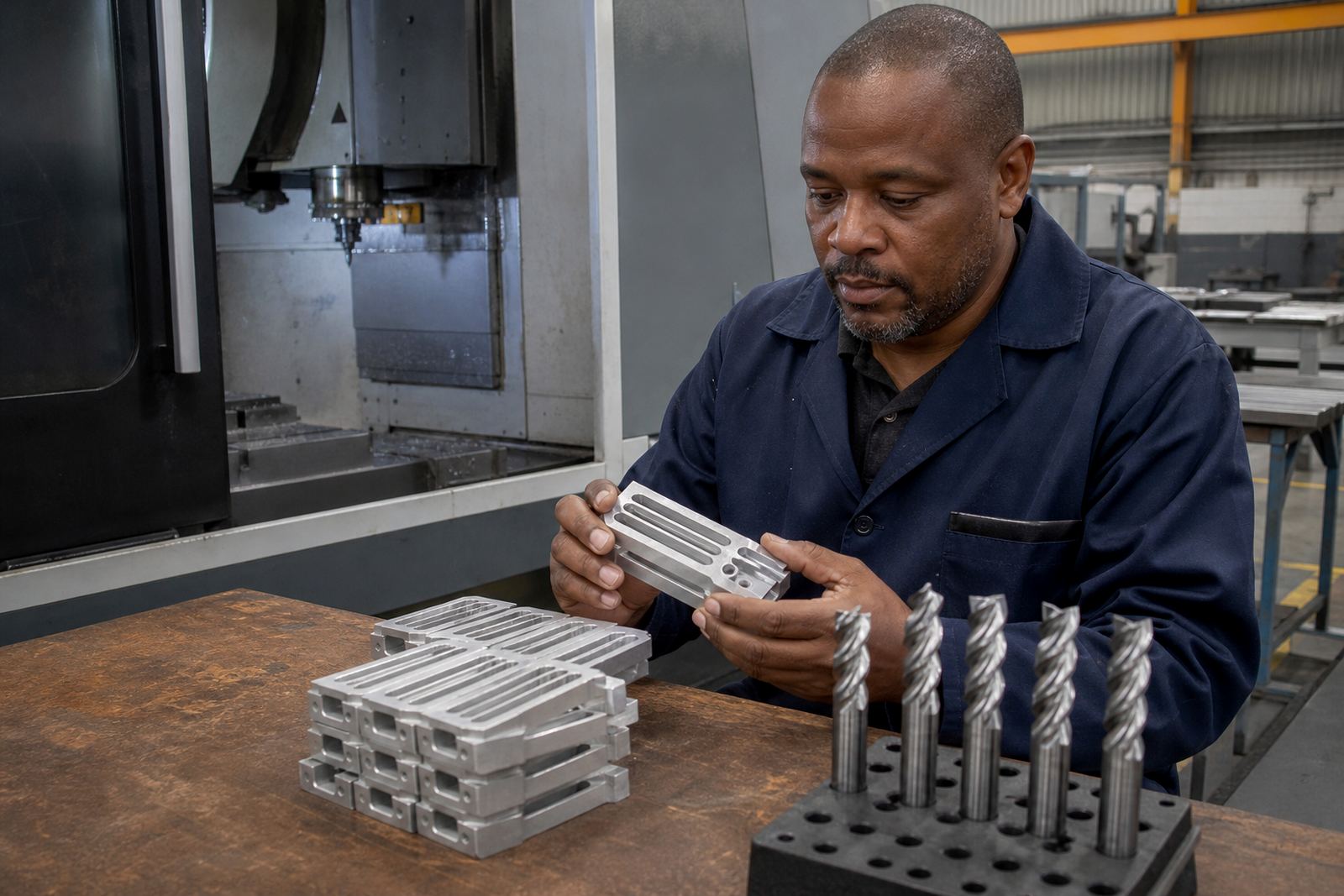
The end mills also held up better on interrupted cuts where old damage, weld beads and scale would normally eat into the cutting edge. Tool changes became easier to plan, so the team could keep one or two machines working while the others were set up for the next repair. That helped the shop keep pace when a municipal pump job and a gearbox repair came in on the same day.
- Better hole location on worn or uneven surfaces
- Less chatter on short maintenance cuts
- More consistent tool life between shifts
- Less time lost to rework and edge cleanup
What We Would Repeat on a Similar Job
If we were doing the same job again, we would start with a tighter list of the top ten repair operations and hold stock around those sizes first. That keeps the shelf lean and avoids tying up money in tools that do not move quickly.
We would also keep the same approach to application support: first confirm the material, then choose the shortest suitable tool, then set the speed and feed around the machine’s real condition rather than the catalogue ideal. In a repair shop, that practical sequence saves time and avoids waste, simple as that.
- Start with the most common repair sizes
- Keep stub drills for shallow, accurate holes
- Set tool life checks by shift, not just by batch
- Use material matching before changing tool geometry
For Roodepoort and nearby shops, that method gives a clear path from urgent job to finished part without overcomplicating the process.
Key facts
| Project town | Roodepoort, Gauteng |
|---|---|
| Client type | Repair-focused machine shop |
| Trial period | 3 weeks |
| Key tools supplied | Solid carbide stub drills and end mills |
| Main use | Maintenance repairs and short-run machining |
| Outcome | Improved hole location, less rework and steadier tool life |