
Workshop background in Springs and the machining problem
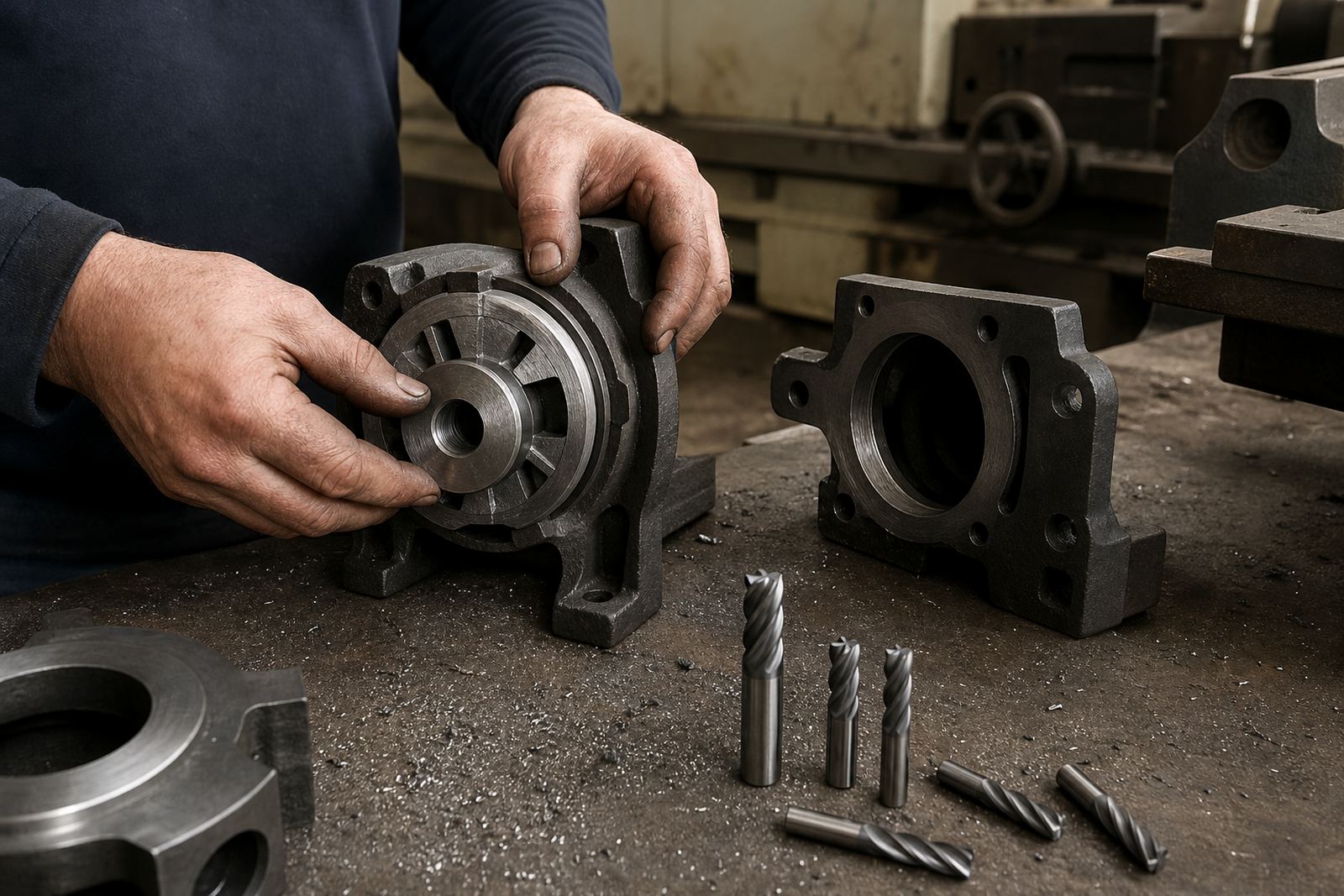
The client is a pump repair workshop in Springs, Gauteng, serving industrial users, mines and local factories that need fast turnaround on worn pump components. Their work included cast iron impellers, housing faces, mounting pads and repair sections that had to be machined cleanly after stripping, inspection and weld prep.
The main issue was inconsistent milling performance on older CNC machining centres. Some jobs cut well for a few parts, then tool wear climbed quickly and the finish went off. On cast iron, that meant extra hand finishing, more scrap risk, and more time spent checking dimensions. The team needed cutters that could hold an edge longer and stay predictable across repeat runs.
They also had to work around load-shedding, mixed operator skill levels and tight booking slots. When a pump is waiting in the bay, a cutter that chokes or chips after a few passes can throw off the whole schedule. The brief was simple: improve reliability without making the process more complicated for the machinists.
Brief, constraints and what the team wanted to fix
The workshop asked for solid carbide end mills suited to grey cast iron and occasional tougher repair sections, with practical guidance on speeds, feeds and stepdown. They wanted tools that could be used on the same machine range, not something fussy that only worked under perfect conditions.
- Material focus: cast iron pump bodies, covers and flanges
- Machine type: CNC machining centres used for repair work and small batch production
- Challenge: uneven wear, edge chipping and poor finish on longer runs
- Local constraints: power interruptions, variable operator shifts, and urgent jobs coming in same day
There was also a housekeeping issue. Cast iron dust builds up quickly, and the workshop had to keep machines, filters and guideways clean to avoid unnecessary wear. Because they run a busy repair floor, they needed tooling that tolerated less than ideal conditions without losing accuracy after a short run. A bit of process drift was costing them time and money.
Solid carbide milling choices supplied for the job
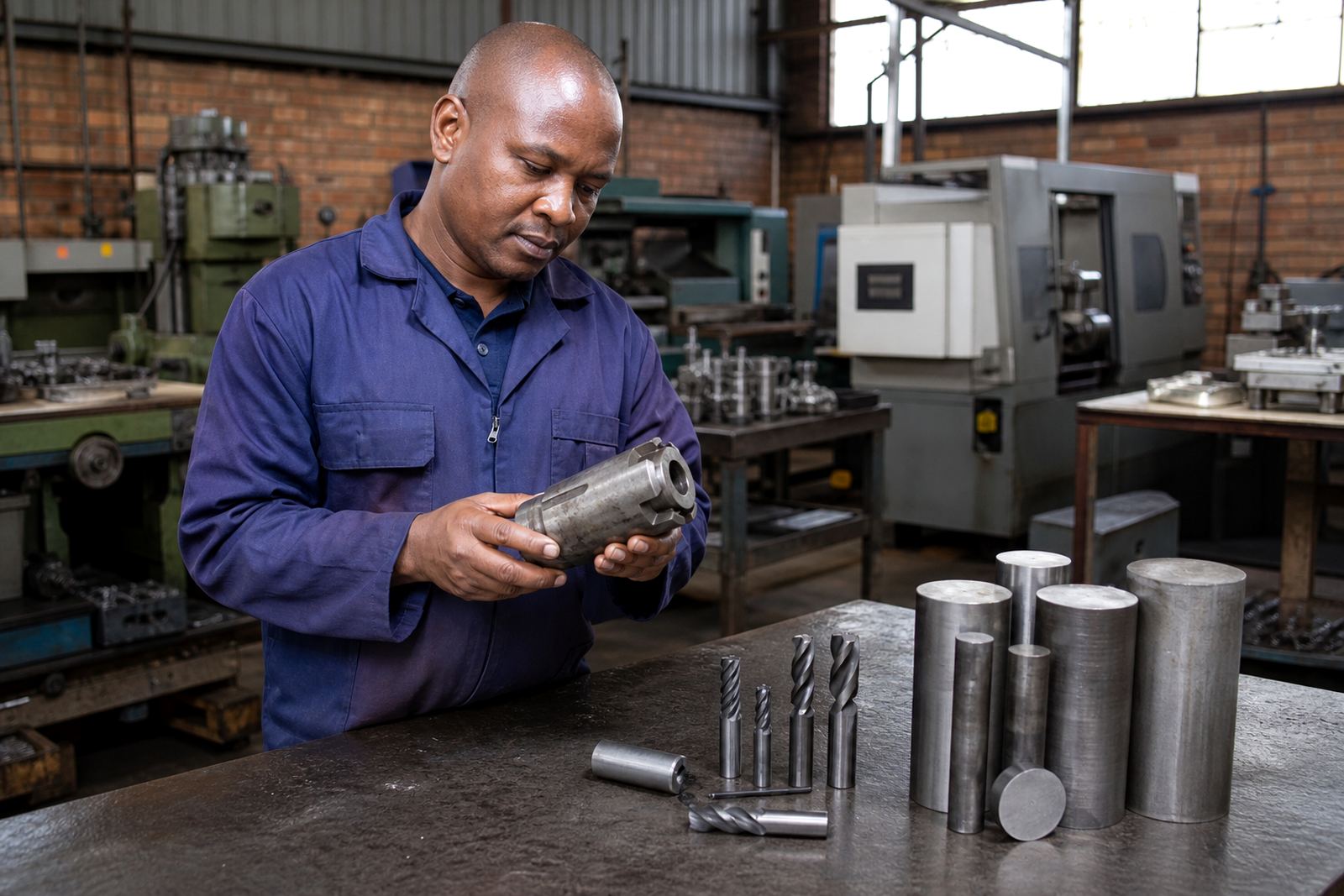
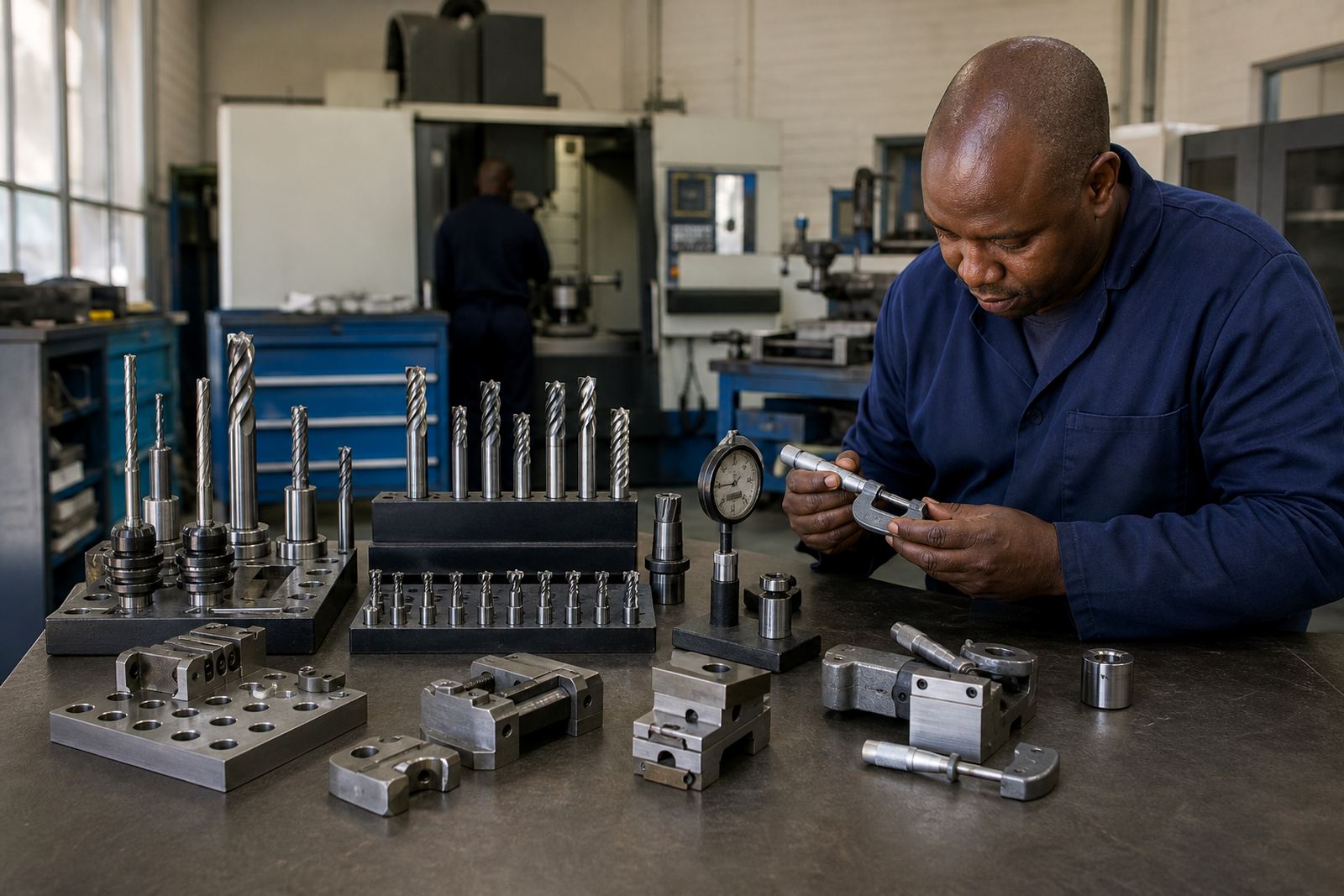
We supplied a targeted set of solid carbide end mills selected for cast iron machining rather than general purpose cutting. The emphasis was on stable chip evacuation, wear resistance and consistent edge life on repair work where faces can be interrupted or lightly scaled. We also helped match tool geometry to the material and the type of cut, whether it was slotting, edge clean-up or finishing passes.
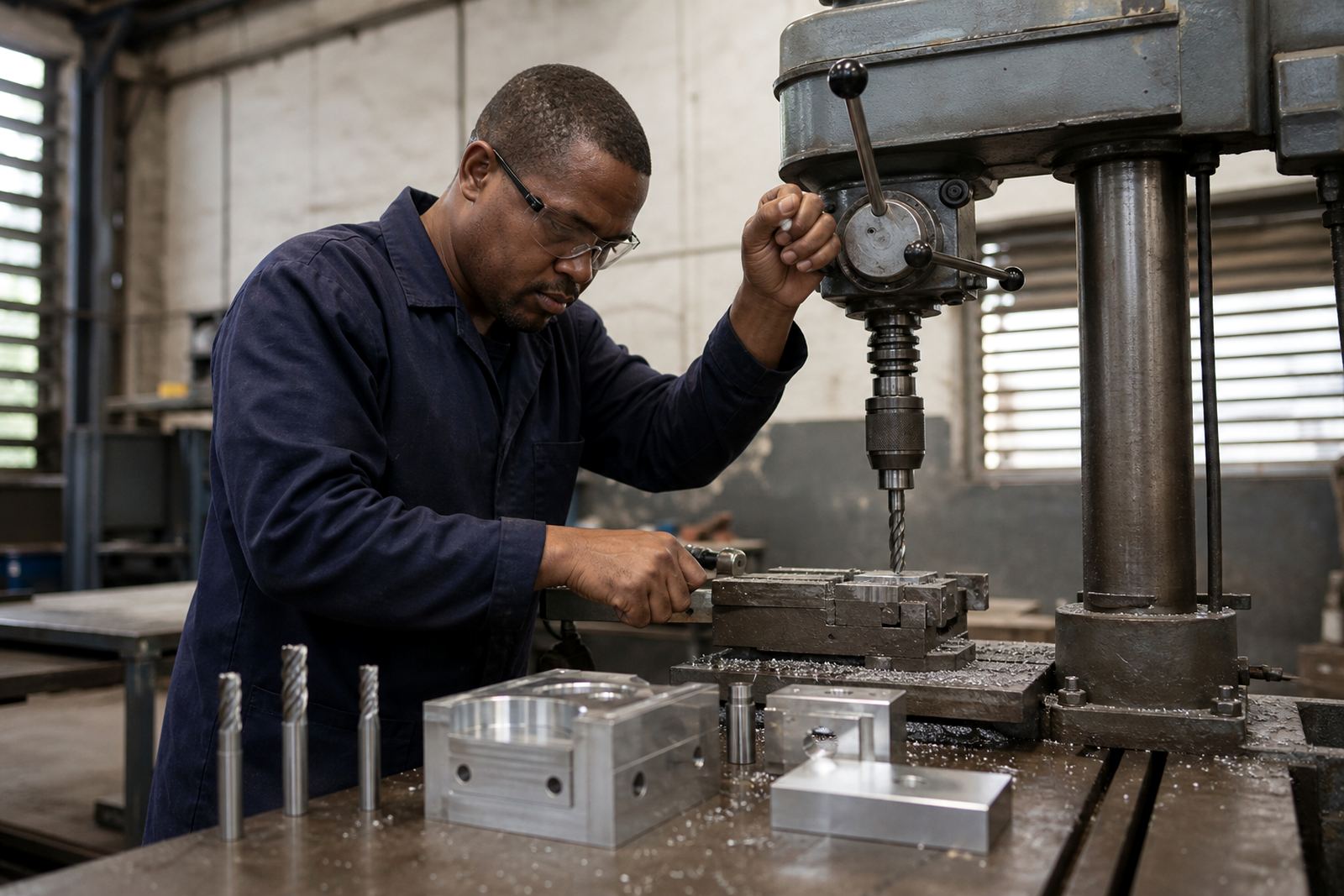
The main supply package included 4 flute and 3 flute end mills in common diameters used on pump work, plus advice on short projection setups to reduce chatter. We also supported drill selection for locating and prep holes where the workshop needed clean entry and reliable hole size before assembly.
- Solid carbide end mills for cast iron and repair machining
- Short overhang recommendations to improve rigidity
- Drilling advice for setup holes, bolt circles and prep work
- Feed and speed guidance for safer start-up on older machines
Because the workshop often needs urgent replacement tools, we also discussed stock planning for high-use sizes. That made it easier for the team to keep a small buffer on hand instead of waiting for a critical cutter to fail mid job.
Application support and tuning on the floor
After the first tools went in, Johan Smit worked with the team on the cutting data and toolpath approach. The goal was not just to make the cutters last longer but to make the results repeatable across different operators and shifts. For a repair workshop, consistency matters just as much as speed.
We reviewed stepovers, entry method and cut depth, then adjusted the settings to suit the machine condition and the rigidity available on each setup. In one case, a change in axial depth and a smaller finish allowance gave a cleaner face with less edge wear. The shop floor team also got practical notes on when to stop and inspect before the tool was pushed too far. That small change saved inserts? no, wrong, saved cutters and reduced unnecessary rework.
We kept the advice plain and usable. No special tricks, just sensible machining practice that fit the equipment they already had. That meant better cutting stability, less heat at the tool edge and fewer surprises during a busy shift.
Timeline from first enquiry to steady production
The full process ran over about three weeks from first enquiry to stable use on the shop floor.
- Week 1: brief taken, parts discussed, material issues identified and initial tool mix selected
- Week 2: first supply delivered to Springs, with cutting advice and setup notes for the machinists
- Week 3: feedback reviewed, tool life compared against the previous cutters, and the cutting parameters fine tuned
That quick turnaround mattered because the workshop had several pump bodies waiting in queue. They could not afford a long trial period while jobs backed up. The aim was to get to a working answer fast, then use the early results to standardise what happened next. In a repair environment, a week lost can mean missed delivery dates and unhappy customers.
Results on cast iron jobs and what changed
Once the machining data was settled, the workshop saw better finish quality on the cast iron faces and more even wear across the cutters. The team reported fewer breaks in production caused by premature dulling, and less time spent touching up machined surfaces by hand. That made the whole repair cycle smoother.
The biggest gain was confidence. The operators knew what the cutter would do, which helped them plan the job around the machine's real condition instead of guessing. On a busy week, that reliability is worth a lot. Tool changes became more predictable, and they could keep urgent repair work moving without having to chase every small variation in the material.
- Longer usable tool life on repeat cast iron cuts
- Cleaner faces with less post-machining dressing
- Better repeatability across different operators
- Fewer interruptions from chipped edges and finish issues
What we would repeat for similar pump shops
If we were doing the same type of work again, we would start with the material first and the machine second. Pump repair shops deal with a mix of cast iron grades, worn surfaces and interrupted cuts, so tool choice has to suit the real part in front of the machinist, not just the drawing. We would also keep the first trial small and focused, then expand to the rest of the common sizes once the data is proven.
For workshops in Springs, Germiston, Boksburg or Pretoria with similar repair work, the best outcome usually comes from matching the cutter to the job, then backing it up with proper feeds and a sensible stock plan. That way the shop is not left short when a pump comes in urgently and the machine has to keep going after hours. Practical support and good tooling are what keep the bay moving.
Key facts
| Project location | Springs, Gauteng |
|---|---|
| Client type | Pump repair workshop |
| Work material | Cast iron pump bodies, covers and flanges |
| Tools supplied | Solid carbide end mills and drills |
| Project timeline | About 3 weeks from enquiry to stable use |
| Main outcome | Better tool life, cleaner finish and more reliable machining |