When Aluminium Jobs Need Faster Cycles and Cleaner Walls
Aluminium parts often look easy on paper, then the job starts and the shop has to deal with long stringy chips, built up edge and tight finish requirements. This is common on bracket work, heat sink bodies, pump components, automotive fixtures and general engineering parts where cycle time matters and the surface must come off the machine clean enough for anodising, powder coating or direct assembly. If the cutter is not sharp enough or the flute form is wrong, the machine starts rubbing instead of cutting, and that is where chatter marks and poor tool life begin.
For CNC machining shops in Germiston, Johannesburg, Pretoria, Cape Town, Durban and Gqeberha, aluminium work usually calls for a different tooling approach to steel. Feed rates can be much higher, but only if the machine setup is rigid and chips are clearing properly. That includes checking the spindle condition, coolant delivery, tool holder balance and how the part is clamped on the table. A good tool can still fail if chips pack into a slot or recut on the next pass.
Typical Tooling Sets for Aluminium Milling and Drilling
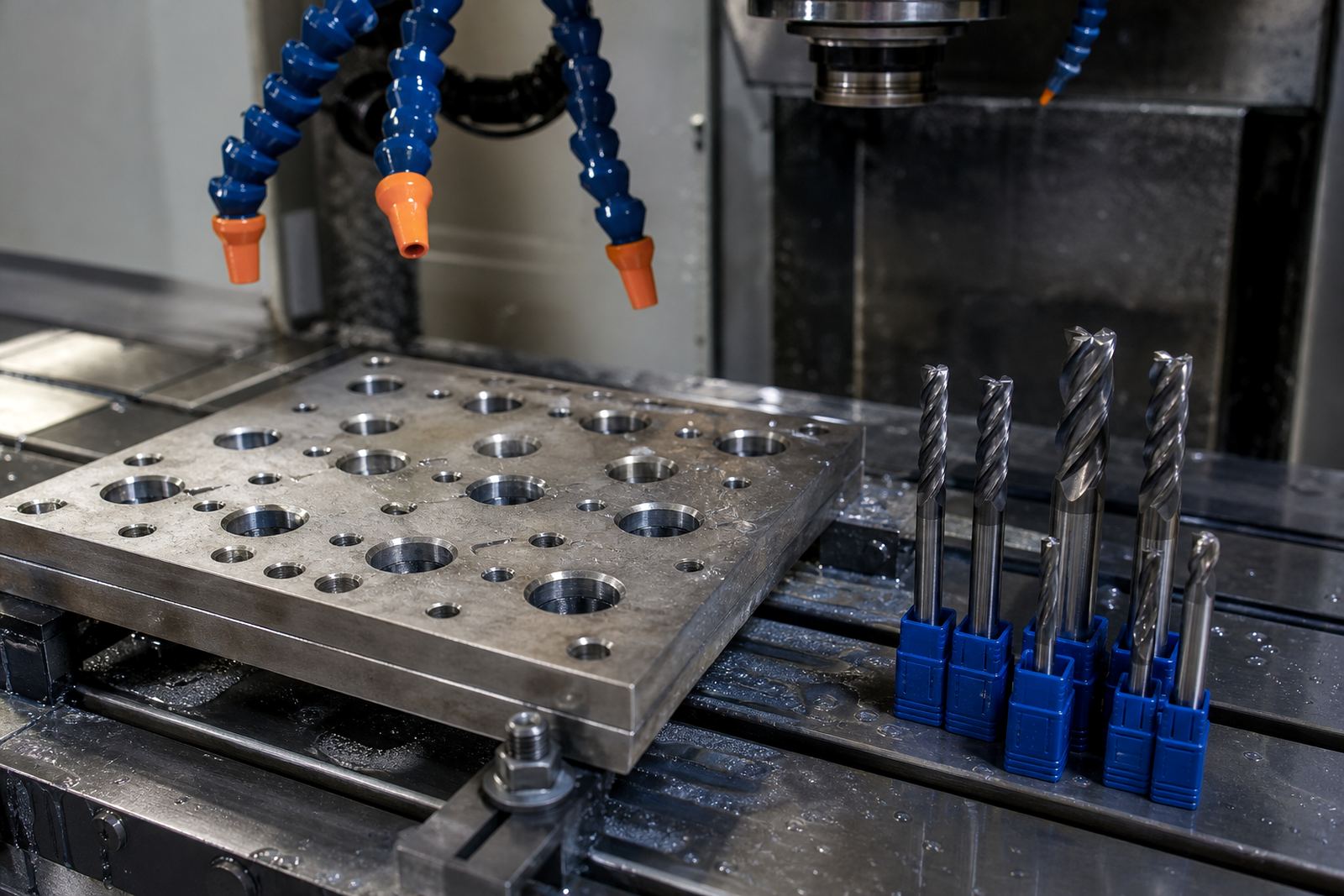
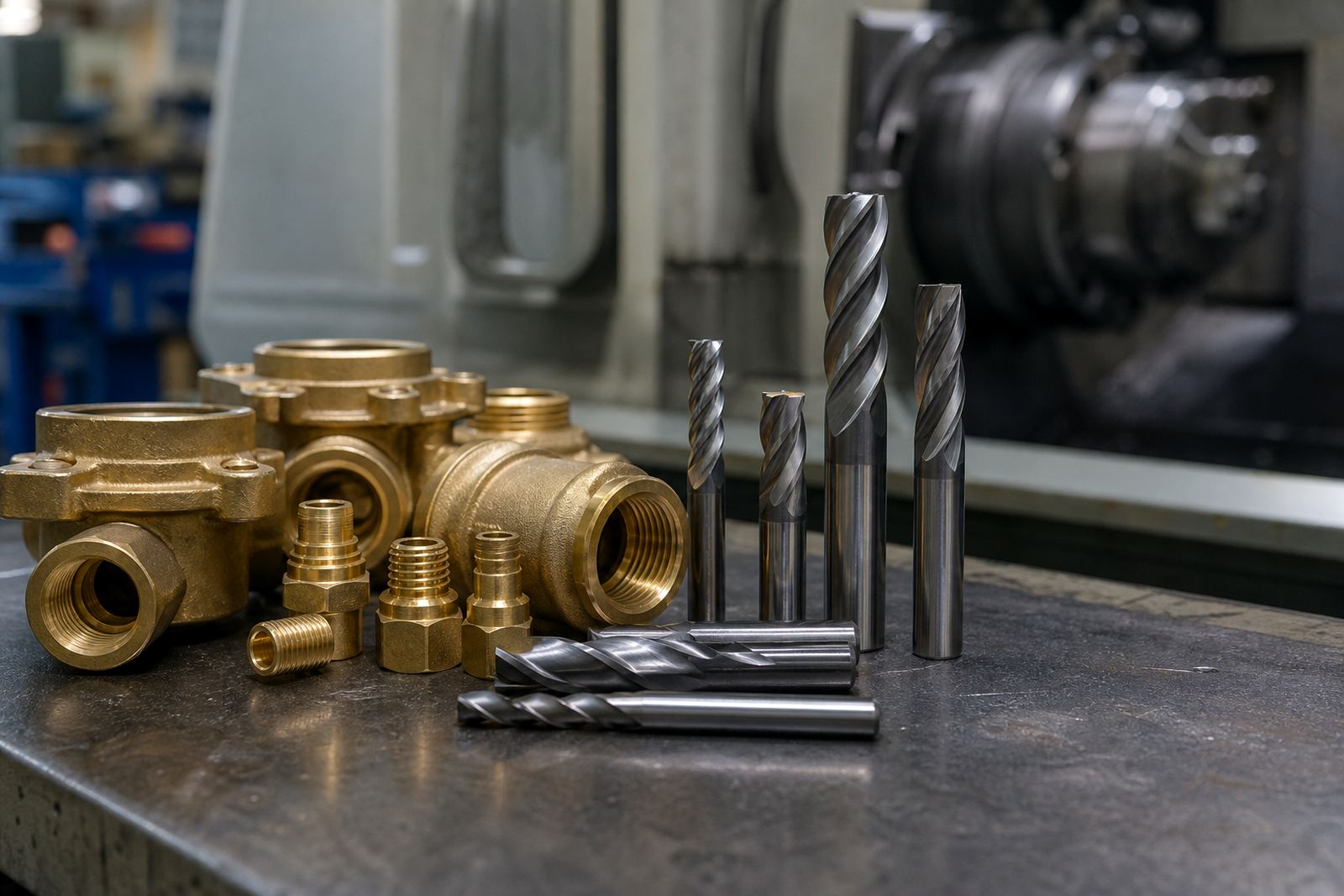
Most aluminium programmes run best with solid carbide end mills and drills chosen for the exact material grade, cut length and machine condition. Shops cutting 6061, 6082, 5083 or cast aluminium often use 2 flute or high helix tools for roughing and finishing, with polished flutes to help chip flow. For deeper pockets and slotting, shorter gauge lengths usually give better control. When the job demands small features, corner radii and high finish quality, a fine edge tool will often save more time than a cheaper general purpose cutter.
- 2 flute end mills for slotting, pocketing and high feed side milling
- High helix tools for smoother chip lift in softer aluminium grades
- Stub length cutters for rigid setups and short cycle times
- Long reach tools only where access demands it, to reduce chatter risk
- Drills with polished flutes for clean hole evacuation and less pickup
- Smaller diameter cutters for detail work, with balanced holders where possible
On production lines, a simple standard set often works better than a mixed box of random tools. Keep a roughing cutter, a finishing cutter and a drilling set matched to the most common thicknesses in the shop. That makes quoting easier and keeps the tool crib under control.
Layout and Planning Advice for Better Chip Evacuation
Chip evacuation is one of the biggest factors in aluminium machining, especially on enclosed CNC machining centres where the chip pile can build up fast. If the machine is running light mist or flood coolant, the nozzle position matters. Aim coolant directly into the cut and not just at the side of the part. On deep pockets, step down and step over should be set to keep chip volume manageable instead of forcing the cutter to rework its own waste. In humid coastal shops, chips can stick to oily surfaces quicker, so clearing the enclosure between runs helps keep the next job clean.
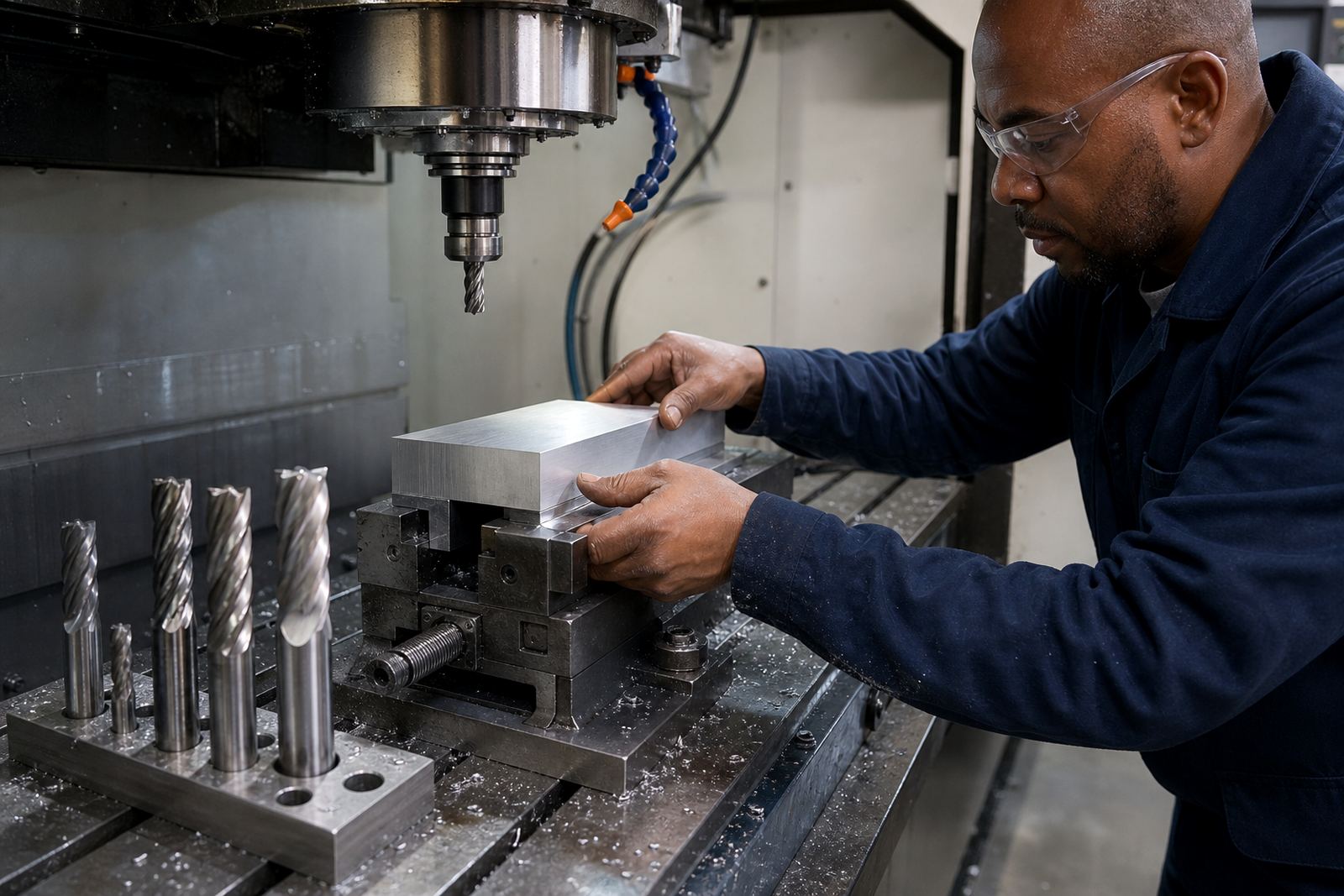
Good planning starts before the first cut. Check where clamps, vises and fixtures will block chip flow, then leave a path for chips to drop away. If the part has a lot of flat open area, a trochoidal or adaptive style path can reduce heat and improve life on the tool. For smaller shops working around load shedding and interrupted production, it also helps to keep proven feeds and speeds written down beside the machine so the next operator can restart with confidence.
- Use shorter tool overhang where the part design allows it
- Keep coolant lines aimed into pockets and hole exits
- Set toolpaths to avoid recutting chips in deep slots
- Clean fixtures between jobs so aluminium chips do not pack under the workpiece
- Store cutting tools dry and sealed, especially near the coast
Common Mistakes That Waste Time and Tool Life
One of the biggest mistakes is treating aluminium like mild steel and running conservative settings that rub instead of cut. Aluminium normally wants a sharp edge, enough feed to make a proper chip and a programme that keeps the cutter moving. Another common issue is using worn drills on thin plate, which causes burrs, poor hole size and extra deburring time. Shops also lose money when they buy one general tool for every aluminium job, then wonder why the finish is inconsistent across different alloys and thicknesses.
Toolholder condition is another problem that gets overlooked. A worn collet, dirty taper or poor clamping pressure can cause vibration and poor finish even when the cutting tool is new. On older machines in the East Rand or Pretoria industrial areas, spindle runout should be checked regularly because small errors show up quickly in fine aluminium work. If the tool marks are repeating at the same pitch, the issue is usually setup or chip load rather than the material itself.
For shops running urgent orders, the best fix is often standardising the common operations. That means one drilling setup for 3 mm to 8 mm holes, one roughing cutter for open work, and one finishing cutter for wall quality. It sounds basic, but it keeps operators from changing tools too often and reduces mistakes between shifts.
Budget Ranges for Aluminium Tooling in Rand
Budget depends on cutter diameter, cut length, coating, flute geometry and how many parts the shop needs to get from each tool. For general aluminium work, small solid carbide end mills and drills often start in the lower hundreds of Rand per tool, while specialised long reach or high performance cutters can move into the higher hundreds or low thousands. A shop doing light batch work may keep a starter tooling budget of about R2 500 to R8 000 for a useful mix of cutters and drills. A production cell with multiple machines, backups and regular replacement stock may plan closer to R15 000 to R40 000, depending on throughput.
Cheaper tools can work for occasional jobs, but they often cost more in downtime when the finish is poor or the tool breaks early. If a machine has limited spindle hours because of load shedding or shared production time, it usually makes sense to spend more on the tools that matter most, such as finishing cutters and critical drills. That way the shop protects cycle time and reduces scrap on the first pass.
How CuTools Carbide Supports Aluminium Jobs Across South Africa
CuTools Carbide works with CNC machining shops from Wadeville, Germiston and the wider Gauteng industrial belt through to Cape Town, Durban and Gqeberha. The focus is on practical tool selection, application support, speed and feed advice, tool life optimisation and urgent tool supply when a job is due out the door. For aluminium machining, that means matching the tool to the material, the machine and the part geometry, not just supplying a catalogue item and hoping for the best.
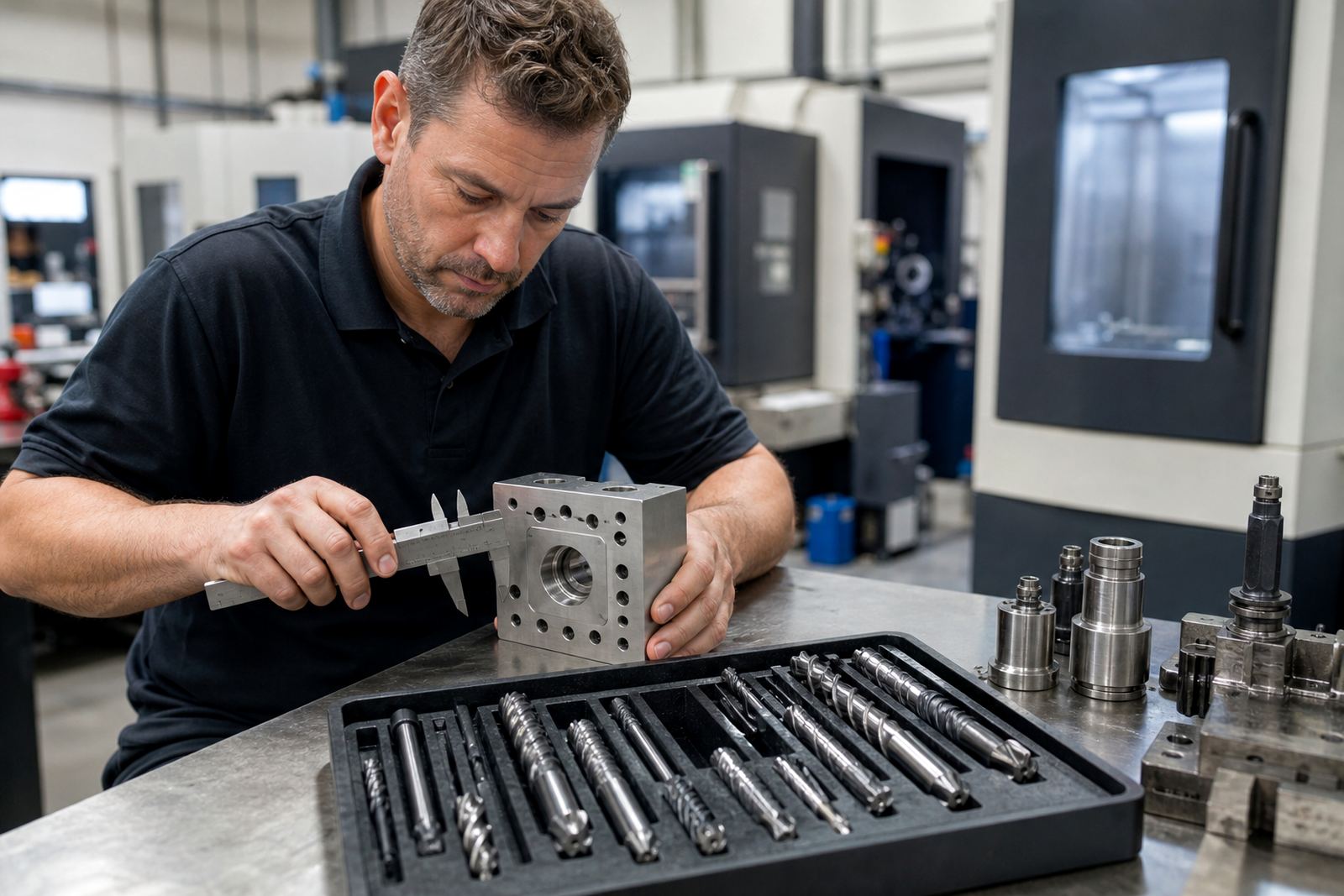
Clients often come in with a sample part, a drawing or a problem job that is burning through tools too quickly. From there, the process usually comes down to choosing the right end mill or drill, checking the holding setup and setting a sensible stock plan for repeat work. Whether the job is a small prototype or a steady production run, the aim is the same: clean chips, reliable size and less waste on the floor.
If you need support for aluminium milling or drilling, the enquiry form on the contact page is the quickest way to start. A good cutting plan saves time, and it saves Rand too.