What toolroom work usually looks like on the floor
Toolrooms in Germiston, Johannesburg, Pretoria, Cape Town, Durban and Gqeberha are often doing a bit of everything before lunch. One day it is a worn bracket for a plant repair, the next it is a fixture plate with a slot size that must be right first time, then a nylon or aluminium part with a quick turn around. That mix calls for cutters that stay sharp, hold size and still behave when the operator has to move from one job to the next without a long setup.
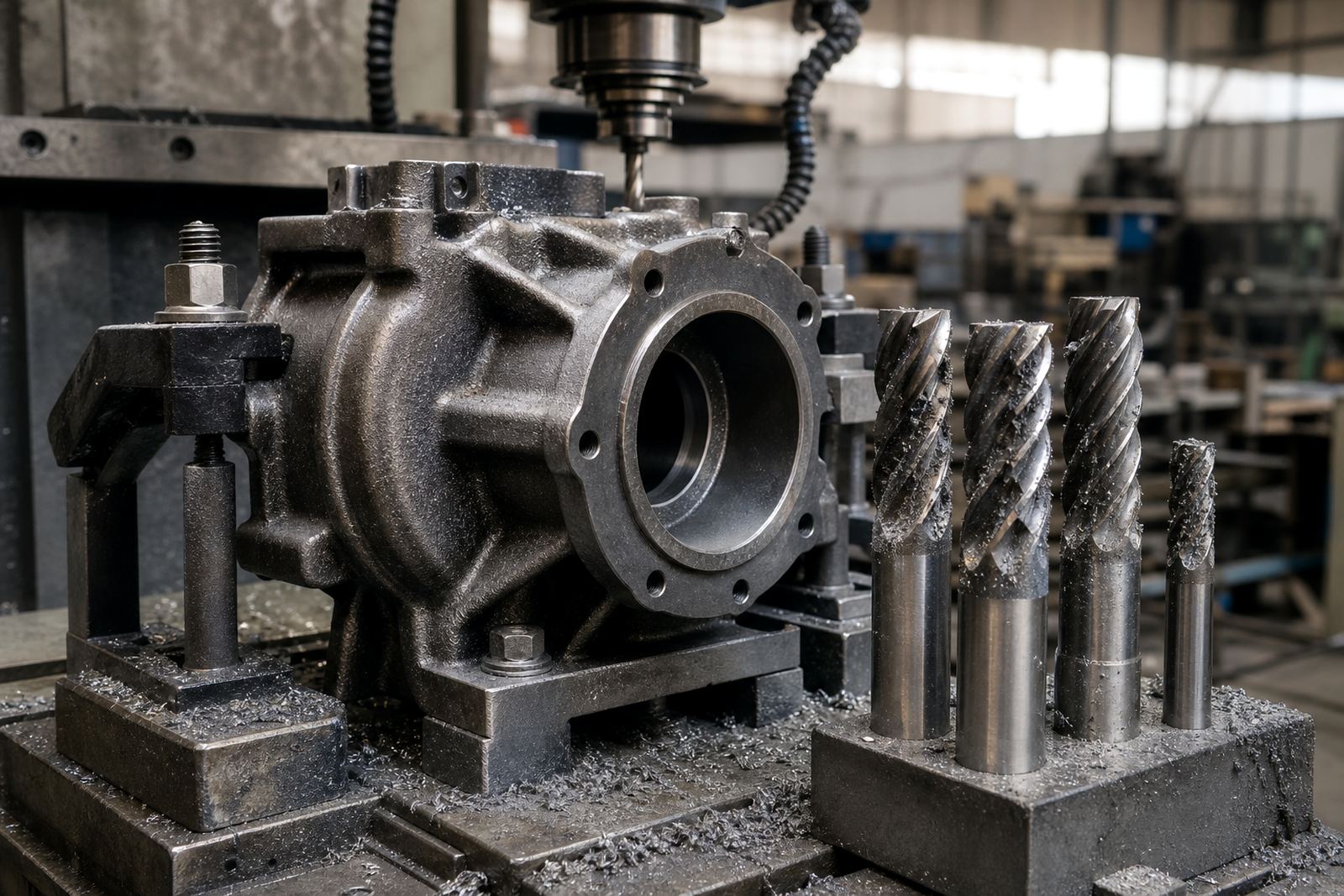
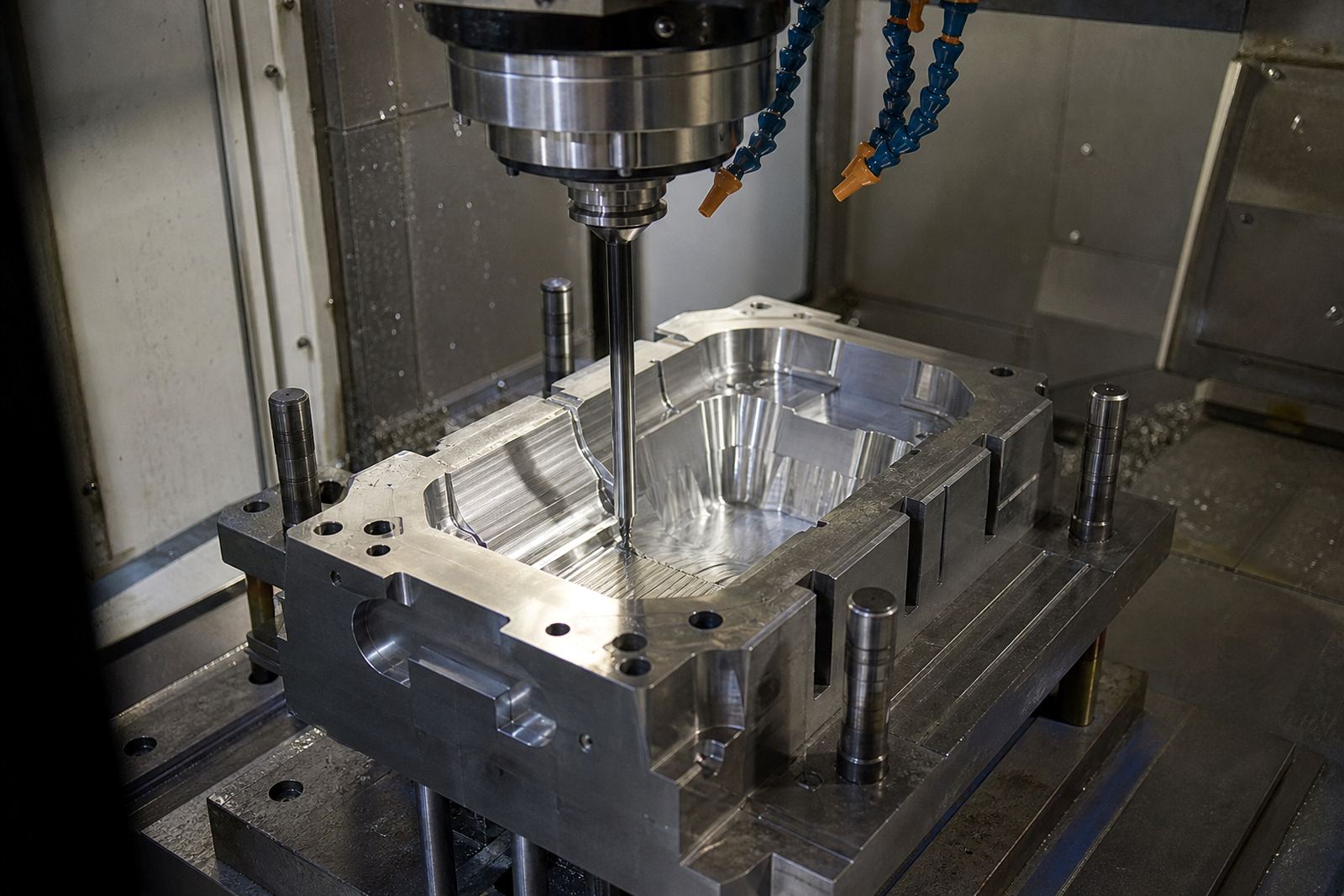
In this setting, solid carbide end mills and drills are usually chosen for their accuracy and repeatability. They suit CNC machining centres used for maintenance work, die repair, pattern making and short-run production. Shops in Wadeville, Boksburg and Centurion often keep a small core range on hand so they can deal with urgent jobs without waiting for a special order.
A good toolroom range should cover slotting, pocketing, face milling, drilling and finishing, with tool sizes that match common repair work. If the team is working in a hot shop with dust, coolant mist or load-shedding interruptions, tool choice matters even more because the machine may sit idle and then restart mid shift.
A practical tool set for one-off and mixed-material jobs
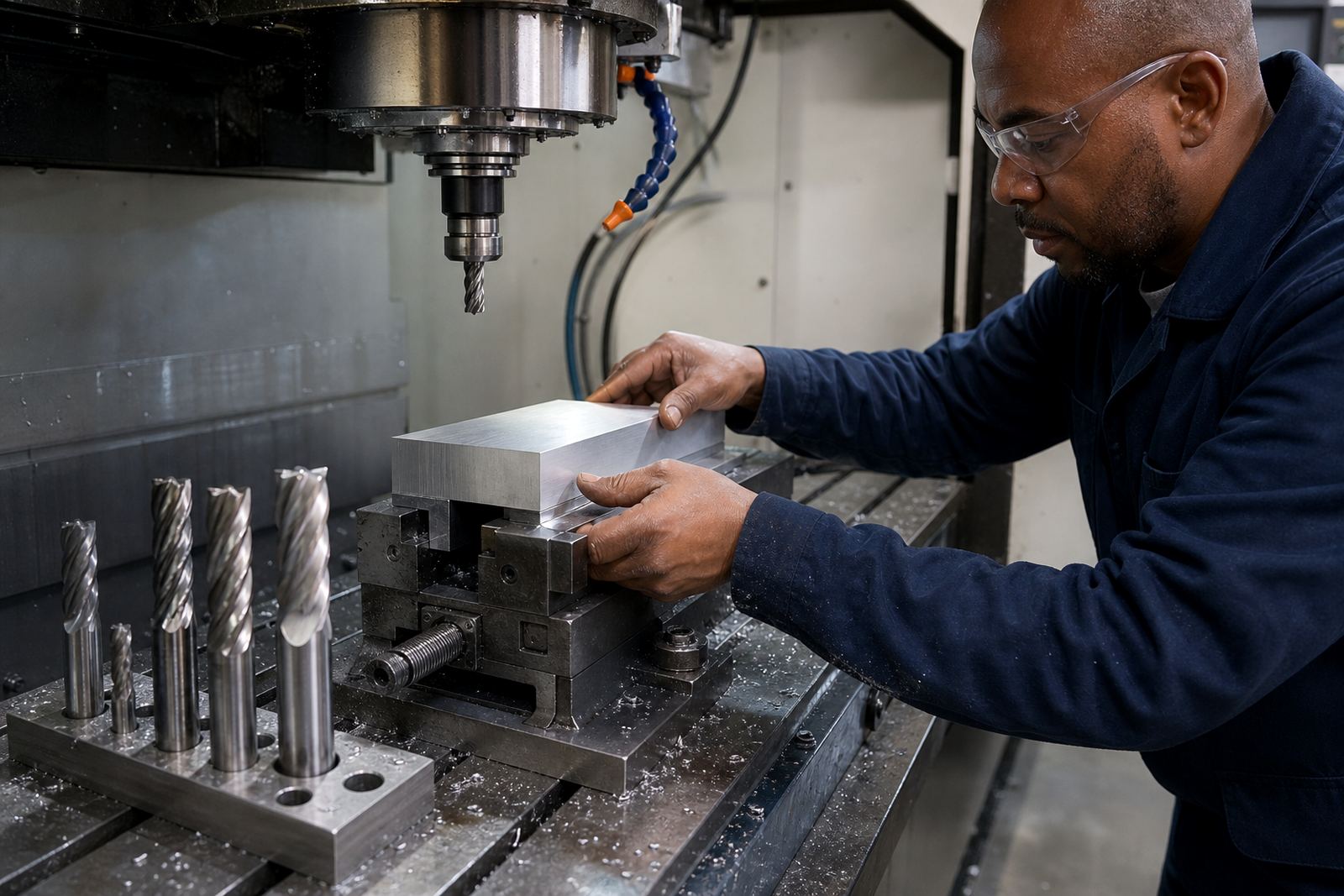
Most toolrooms do not need a huge catalogue for every task. They need the right mix of sizes and flute styles for the materials they see most often. A sensible starting point usually includes short and long reach end mills, 2 flute cutters for aluminium and plastics, 4 flute cutters for general steel work, and drill sizes that match common tapping and clearance requirements.
- 2 flute carbide end mills for aluminium, brass and plastics where chip clearance matters
- 4 flute carbide end mills for mild steel, pre-hardened steel and general repair work
- Long reach cutters for pockets, deep slots and fixture modifications
- Solid carbide drills for accurate hole making in tight tolerance work
- Smaller diameter cutters for detailing, engraving style work and fine finishing
For many shops, the first order is not about volume, it is about coverage. A clean mix of 3 mm, 6 mm, 8 mm, 10 mm and 12 mm cutters can solve more jobs than a big box full of odd sizes. The same goes for drills. It is better to stock the sizes that are used every week than tie up cash in tools that sit on the shelf for months. On mixed jobs, toolroom staff often need cutters that can handle a slight material change without losing edge life too quickly, specially when the job cards are incomplete or the drawing is dated.
How to plan the layout so tools do not get lost in the rush
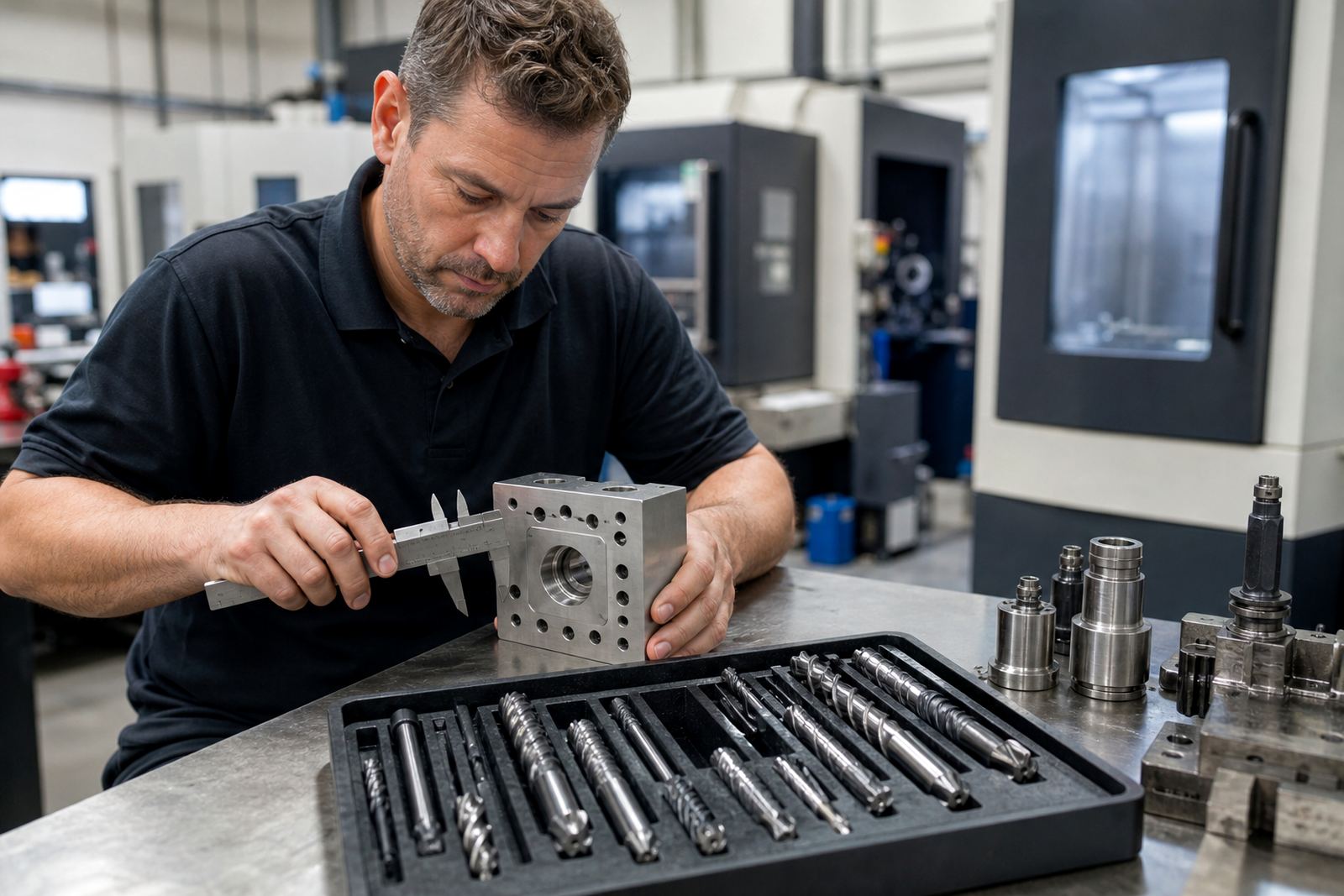
A toolroom works best when the tool layout follows the way jobs move through the shop. Keep the most used cutters near the machines, the less common sizes in a clearly marked cabinet, and the emergency stock separate from general issue. If the team shares CNC time with manual work or repair fitting, label the tool holders, keep offsets recorded and store backup cutters in sealed containers to protect them from moisture and dust.
Coastal humidity in Durban and Gqeberha can be tough on storage, especially if the toolroom is close to an open door or a wash bay. In Gauteng, temperature swings and coolant residue can also affect how well tools stay clean and ready. A simple stock plan with counts, reorder levels and a weekly check can save a lot of downtime. It also helps when load-shedding cuts into the shift and the team needs to restart fast without hunting for the right diameter cutter.
- Separate tools by material use, not just by size
- Mark common emergency stock for after-hours or urgent repairs
- Keep cutting data close to the machine, not in a filing cabinet across the workshop
- Track tool life so worn cutters do not stay in circulation too long
- Use a small buffer stock for the sizes that fail first during heavy use
Common mistakes that cost time and scrap
One of the biggest mistakes is matching every job to the same cutter. A tool that works well in mild steel can struggle in stainless or aluminium, and a general purpose drill may not give the same hole quality in hard material. Another common issue is pushing feed and speed too hard because the tool is carbide, as if carbide can fix poor setup. It cant. Poor clamping, long overhang and weak coolant delivery will still cause chatter, edge wear and broken tools.
Toolroom teams also sometimes underorder because the job looks small, then discover they need extra cutters for finishing passes, test pieces and rework. The better habit is to allow for at least one backup tool on any critical job. That is especially important when a machine is doing repair work for production downtime and the client is waiting on the part before a line can restart.
Another mistake is buying cutters only on price. Cheap stock may look attractive at the counter, but if it fails halfway through a job the real cost is the lost machine time, the scrap and the delay to the customer. For toolroom work, consistency is usually worth more than the lowest Rand figure on the invoice.
Budget ranges for sensible toolroom stocking
Toolroom budgets vary depending on how much repair work, short-run production and mixed-material machining a shop does. A small starter stock for one CNC machine may begin around R3,500 to R8,000, if the aim is to cover the most common end mill and drill sizes only. A broader working stock for a busy maintenance cell can sit between R12,000 and R35,000, depending on diameter range, length of cut and how many backup tools are needed.
Shops that run several machines and handle urgent work across different materials often build stock in stages. That keeps cash flow manageable and makes it easier to replace the cutters that wear out first. In some cases it is better to spend on a smaller but well chosen range than to stretch the budget across too many niche sizes. This gives the team better control over tool life and fewer surprises when a job comes in late on Friday.
CuTools Carbide works with machining shops that want practical advice on tool selection, application support and stock planning. The team in Wadeville, Germiston can help match the cutter to the job, estimate quantities and set up a supply plan that suits production timing and local conditions.
When to ask for technical help before the job starts
If a part has thin walls, deep pockets, mixed materials or a tight finish requirement, it is worth checking the tool choice before the first cut. That is also true when the job involves stainless, cast material, hardened sections or a repair where the drawing is incomplete. A short discussion up front can avoid broken tools, excess setup time and a batch of parts that do not meet size.
Onsite consultation, sample tool trials and process troubleshooting are useful when a shop is trying to standardise results across different operators or machines. The goal is not to overcomplicate the job, but to keep tool life steady and reduce the guesswork that eats into margins. For toolroom work, that usually means fewer surprises, less scrap and a cleaner handover from one shift to the next.