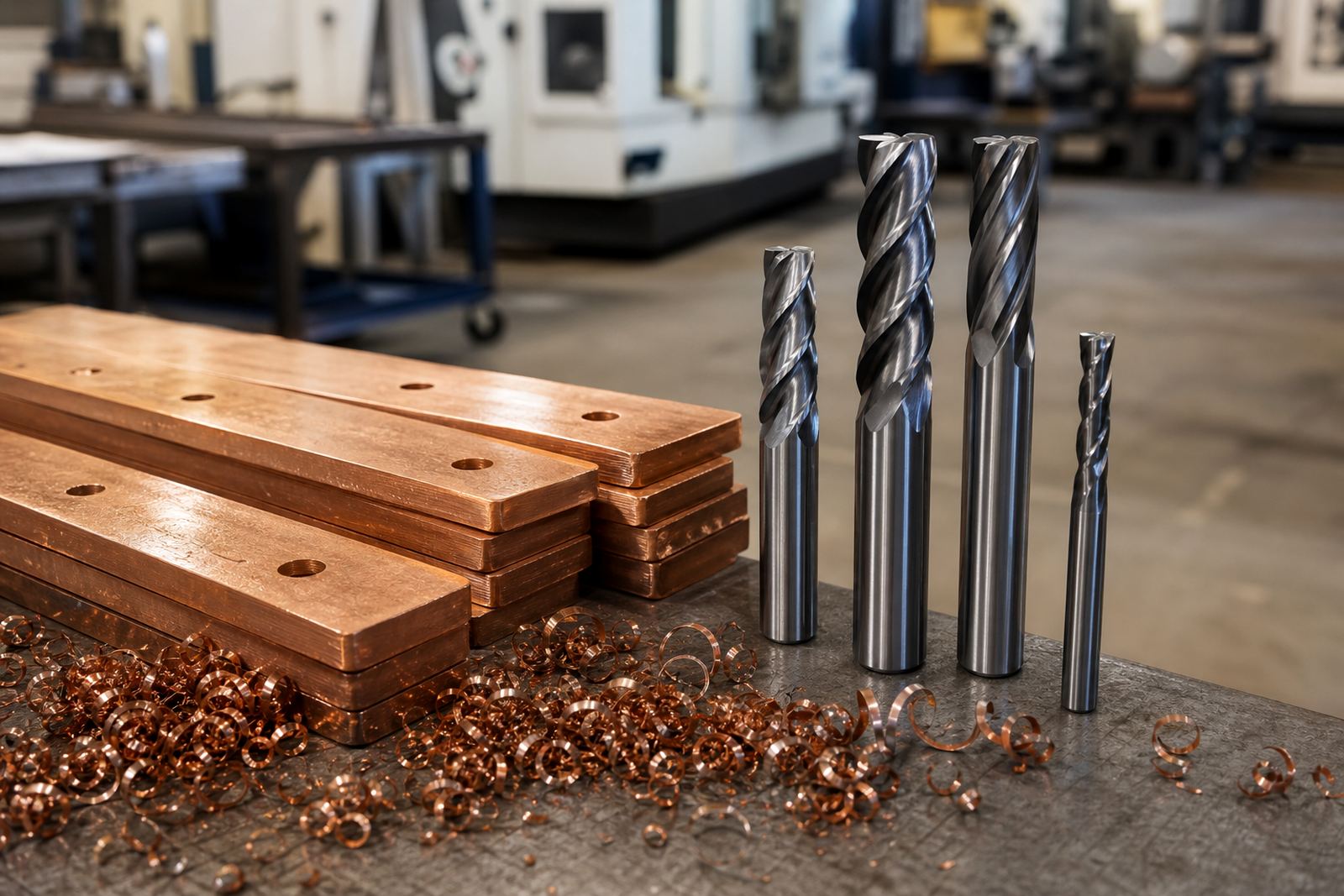
When fixture plate work has to stay accurate after repeat clamping
Fixture and base plates are often machined from aluminium, mild steel or plate with a tougher surface layer, and the job is usually judged by repeatability rather than speed alone. If a plate is going onto a machining centre for workholding, the holes must land where the drawing says they will, the slots must clear properly, and the edge finish must not leave burrs that interfere with clamping. On these jobs a tool that holds size and leaves a predictable finish is worth alot more than a cheap tool that saves a few Rand upfront.
For many shops in Germiston, Johannesburg and Pretoria, the plate work sits between prototype jobs and production fixtures. One week it is a small locating plate for a machine shop, the next it is a larger base plate for assembly or welding. That is why the tool choice needs to suit both the material and the machine setup, not just the diameter on the drawing.
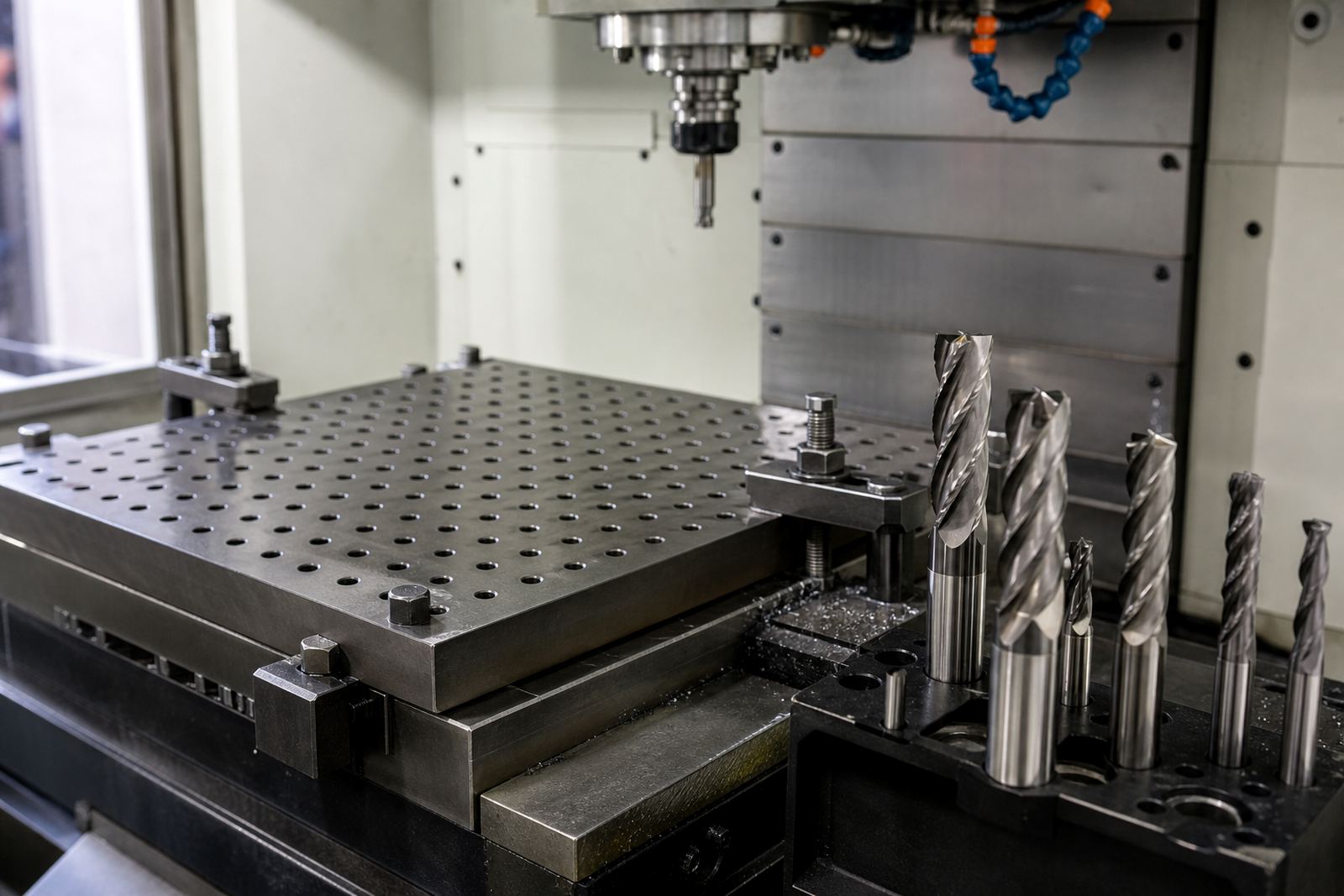
Typical CNC set-up for slots, drilling and edge work
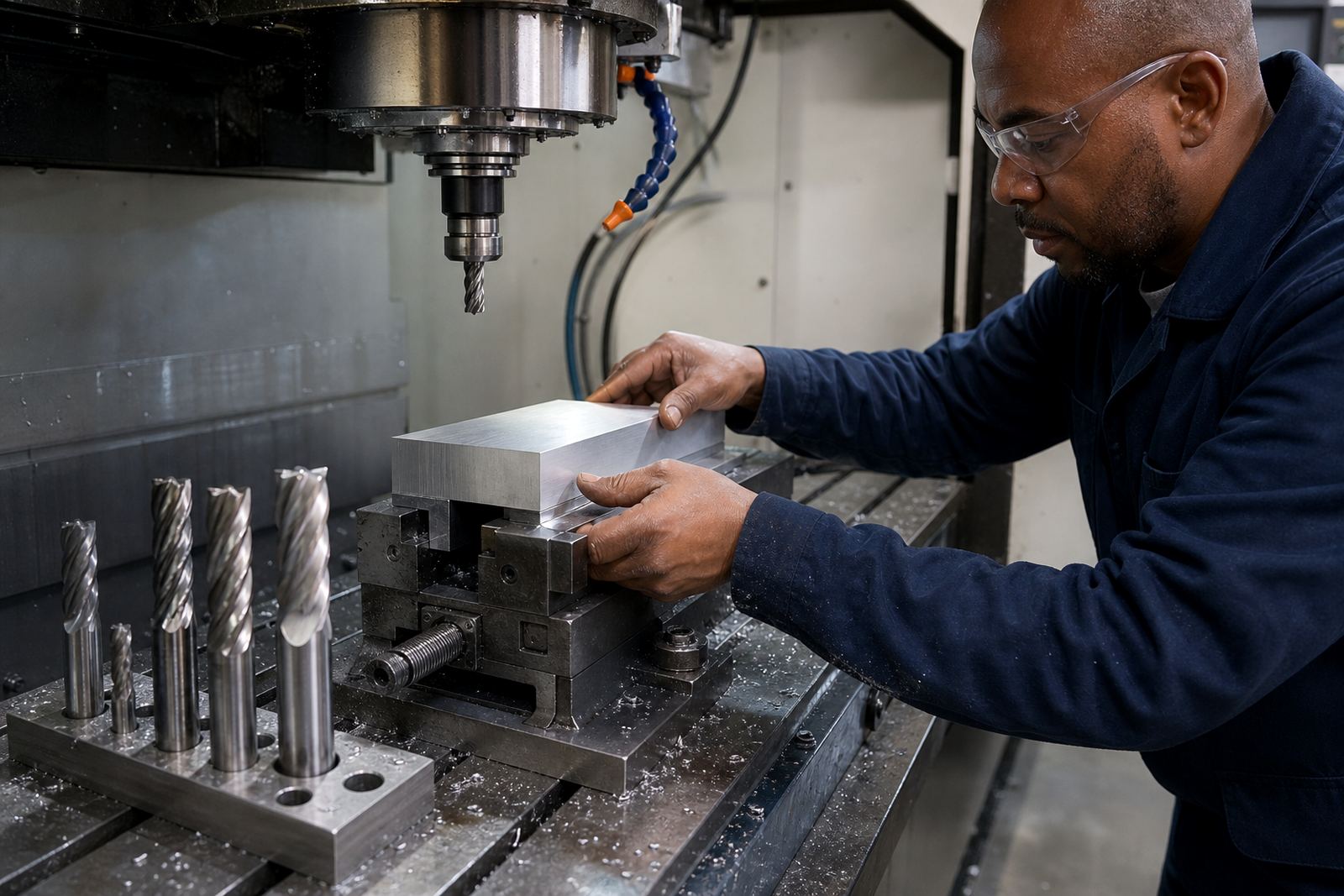
Most fixture plate machining starts on a vertical machining centre with a rigid vice, fixture clamps or a vacuum arrangement for thin plates. A common tool set includes solid carbide end mills for slotting and profiling, centre cutting drills for hole making, and smaller end mills for pocketing counterbores or reliefs. Where the plate has many tapped holes, tool path planning matters as much as the tool itself.
- Solid carbide end mills for side milling, slots and contouring
- Drills for pilot holes, clearance holes and dowel positions
- Chamfer tools or small end mills for edge break and deburring
- Short gauge lengths where possible to reduce chatter
- Coolant or air blast matched to material and chip control
In coastal areas like Durban and Gqeberha, stored tools need proper protection from humidity so the cutting edge and shank stay clean. In Gauteng, where many shops work through load-shedding with backup power and compressed air planning, it helps to keep the tool list simple enough to run consistently when the machine comes back online.
Tool selection that suits plate thickness and hole pattern
Thin fixture plates can distort if the cutting forces are too high, while thick plates can punish weak tools with long engagement and chip packing. A solid carbide end mill with the right flute count and helix is normally the starting point. For long slots in aluminium, a sharper edge and good chip evacuation matter. For steel plate, a tool that can hold edge strength and control heat is usually the safer choice.
Material matching should also take into account the amount of interrupted cutting, the number of holes, and whether the plate will be hard anodised, case hardened or left as-machined. Johan Smit and the technical team often help shops decide whether they need a general-purpose tool or a more application-specific option for a repeated fixture job.
- For aluminium plates: higher chip space and cleaner evacuation
- For mild steel: edge strength and stable deflection control
- For stainless or tougher grades: reduced chatter and heat control
- For long-run plate sets: tool life consistency and repeatable offsets
Planning the layout so the plate machines once, not twice
The best fixture plates are planned from the start with the machining sequence in mind. Start with datum faces, then machine the main locating holes, followed by slots, pockets and edge break. If the clamp points or dowel positions are added too late, the shop often ends up re-setting the job and losing time. That is where process planning makes a clear difference.
A good layout also keeps the cutter away from unsupported edges for as long as possible. If the plate is large, support it properly to prevent lift and chatter. If the hole pattern is dense, leave enough material between features so the plate stays flat after machining. Minor distortion can make the whole fixture awkward on the line, especially when operators need fast changeovers.
Common mistakes that cost time and scrap
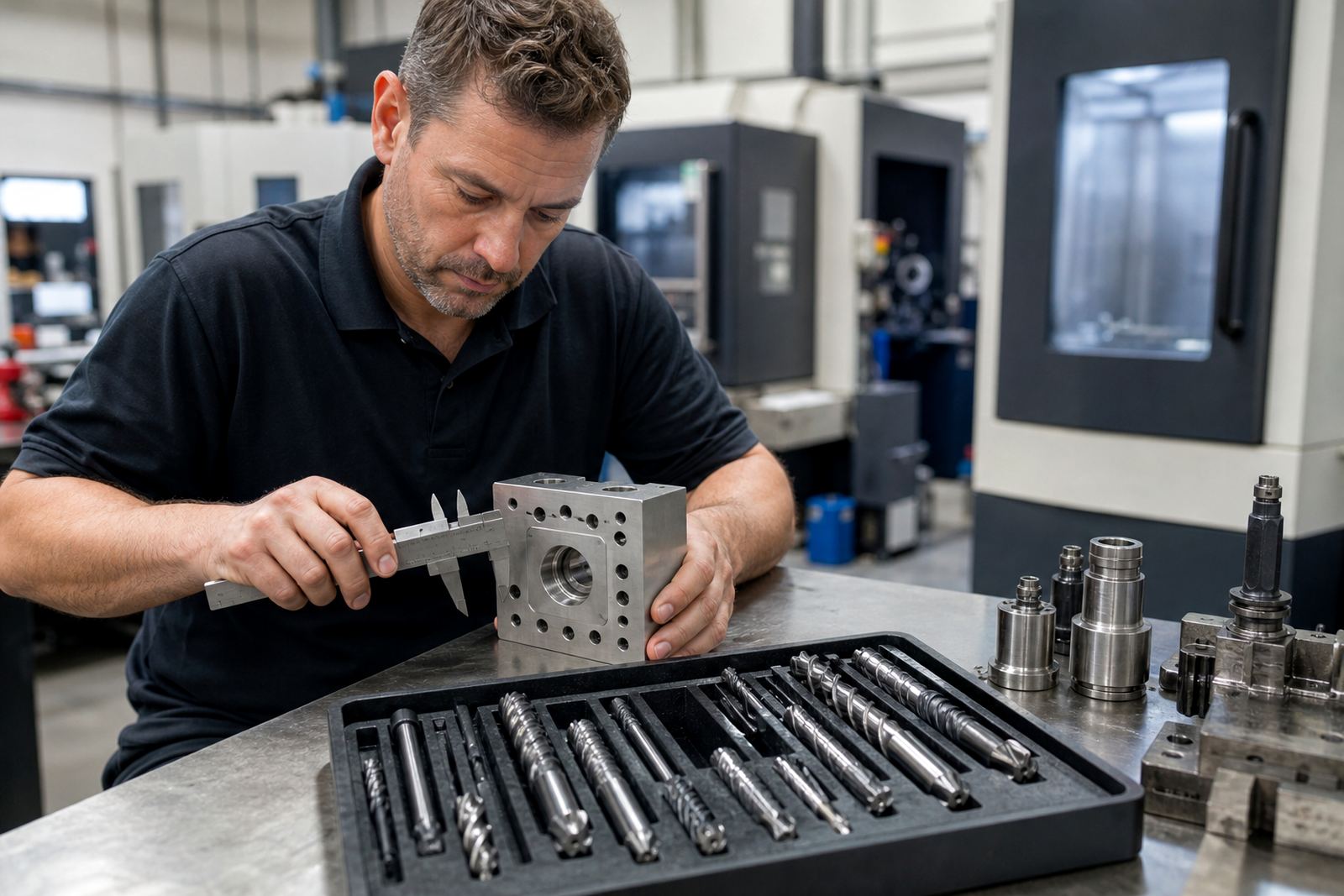
Many problems on fixture plates come from treating them like ordinary flat bar. The job is usually more exact than that. A small tool deflection can shift a dowel hole enough to throw off the fixture, and a poor edge finish can leave burrs that stop the plate seating correctly.
Other common issues include using too long a tool, pushing feed too hard on a light plate, or running the same tool through both roughing and finishing without checking wear. When the machine is under pressure, shops also sometimes skip a quick trial cut, then end up with a plate that needs rework. That is expensive, and it can hold up the whole production line.
- Using long overhangs when a shorter tool would do the job
- Ignoring chip evacuation in deep slots
- Skipping deburring on hole edges and mounting faces
- Mixing roughing and finishing without checking wear
- Not planning for coolant access or air blast clearance
Budget ranges for South African fixture plate jobs
Budget depends on plate size, material and how many cutting operations are needed. For small fixture plates with straightforward slotting and drilling, tooling spend can start from about R1,500 to R4,000 for a basic set of end mills and drills. Mid-size jobs with tighter tolerances, multiple hole sizes and more finishing work often sit in the R4,000 to R12,000 range. Larger or repeated production fixtures can go beyond that when tool life, spare cutters and contingency stock are built in.
For shops in Boksburg, Alberton and Centurion, the best saving is usually not the cheapest cutter, but the one that keeps dimension stable and reduces rework. CuTools Carbide assists with tool selection, application support, speed and feed advice, sample tool trials and stock planning so the right tools are on hand before the next plate lands on the machine.