Start with the job, not just the size
Before you compare diameters or flute counts, define what the cutter must do. A roughing pass on mild steel asks for a different tool than a finishing pass on aluminium, stainless or tool steel. If the part has deep pockets, narrow slots, long reach or thin walls, that changes the choice again. On CNC machining centres, one size does not suit every setup.
For shops in Germiston, Johannesburg, Pretoria, Cape Town, Durban and Gqeberha, the basics stay the same even if the workload changes. Start by writing down the material, the operation, the required finish and the machine limits. That gives you a clear starting point for tool selection and helps avoid buying cutters that look suitable but never really fit the job.
- Material type: mild steel, stainless steel, cast iron, aluminium or non-ferrous alloys
- Operation: slotting, side milling, face milling, pocketing, profiling or finishing
- Machine limits: spindle speed, horsepower, toolholder size and reach
- Part requirements: surface finish, tolerance, burr control and chip evacuation
If the job changes often, keep a simple record of what worked last time. That small bit of discipline can save hours over a month.
Match flute count to the material and chip load
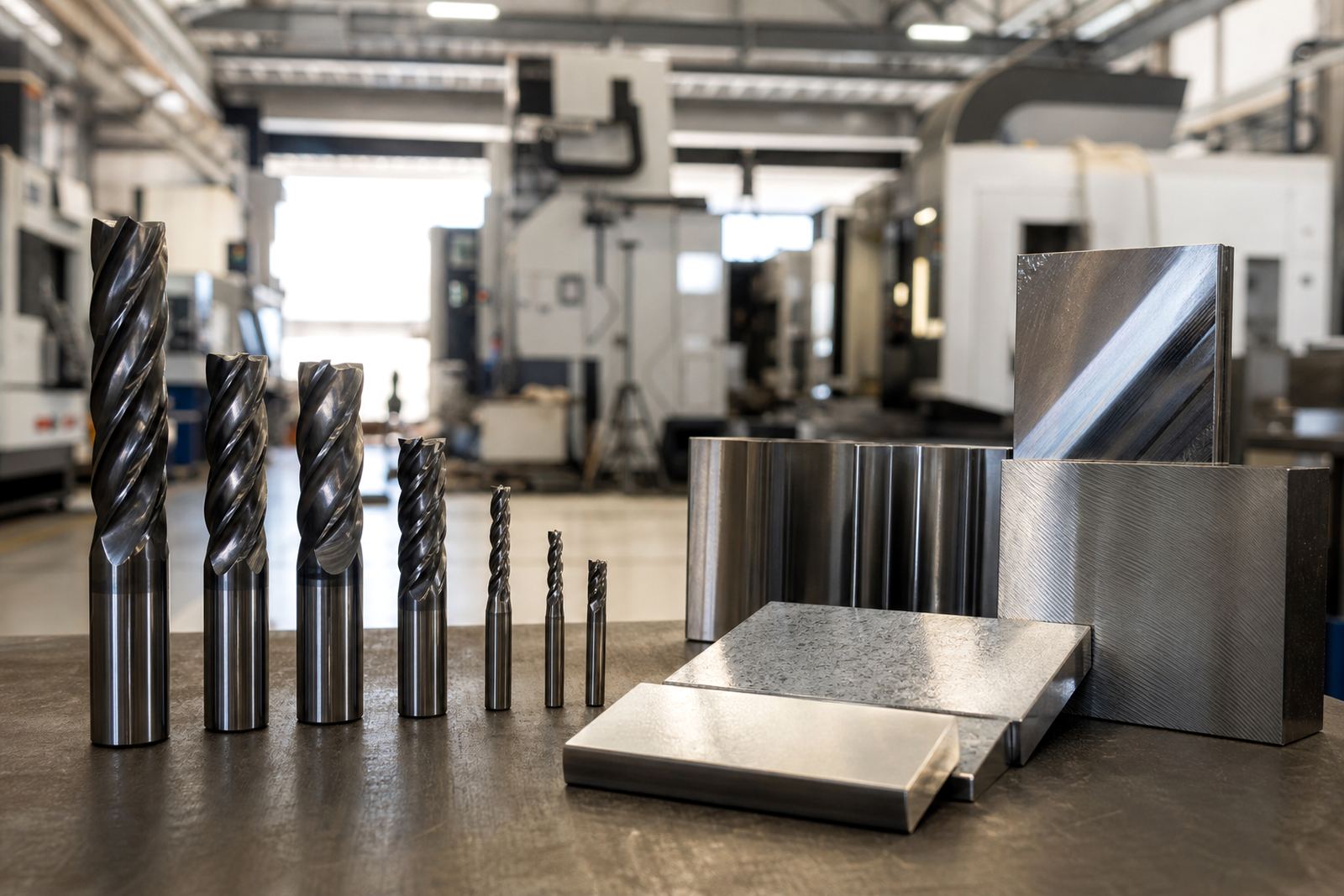
Flute count affects chip space, finish and feed rate. A 2 flute end mill gives more room for chips and is often a good choice for aluminium, plastics and deep slotting. A 3 flute tool gives a useful middle ground for general work. A 4 flute cutter is often better on steel where you want more cutting edges and a smoother finish. For harder or special applications, the flute geometry may need to be more specific.
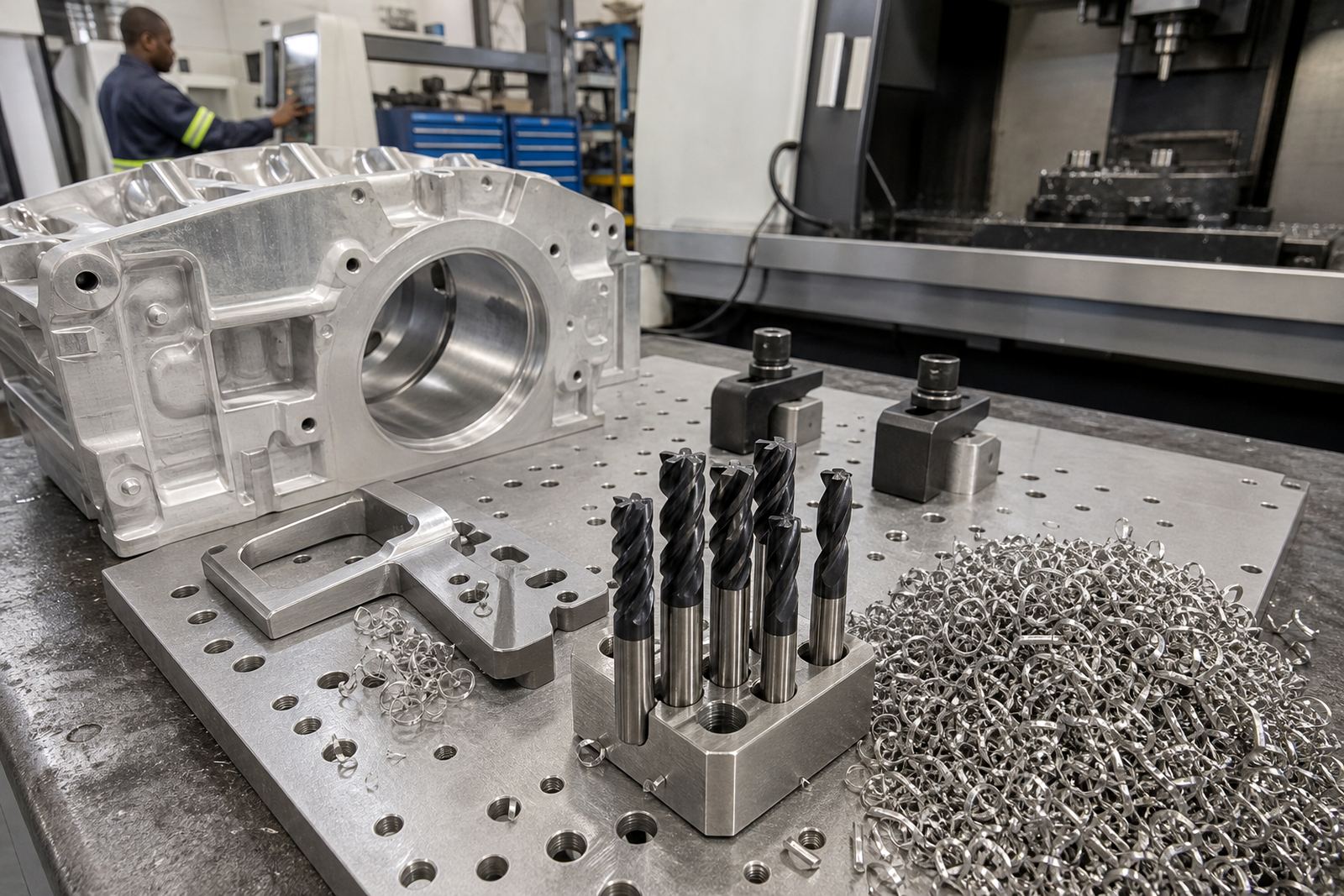
Chip evacuation matters, especially in long production runs and on jobs where coolant flow is limited. In coastal towns like Durban and Gqeberha, humidity can also affect storage and tool handling, so keep cutters clean and protected. When chips pack in the flutes, heat rises and tool life drops fast, even on a good machine.
- 2 flute: good chip clearance, slotting and aluminium
- 3 flute: versatile for general milling and mixed jobs
- 4 flute: stronger choice for steel and finishing cuts
- Special geometry: useful for high speed work, hard materials or specific surface finish targets
Do not choose flute count by habit alone. The material and chip load should lead the choice, not reccomendation from a past job that happened to go well.
Choose the cutter geometry for the cut you are making
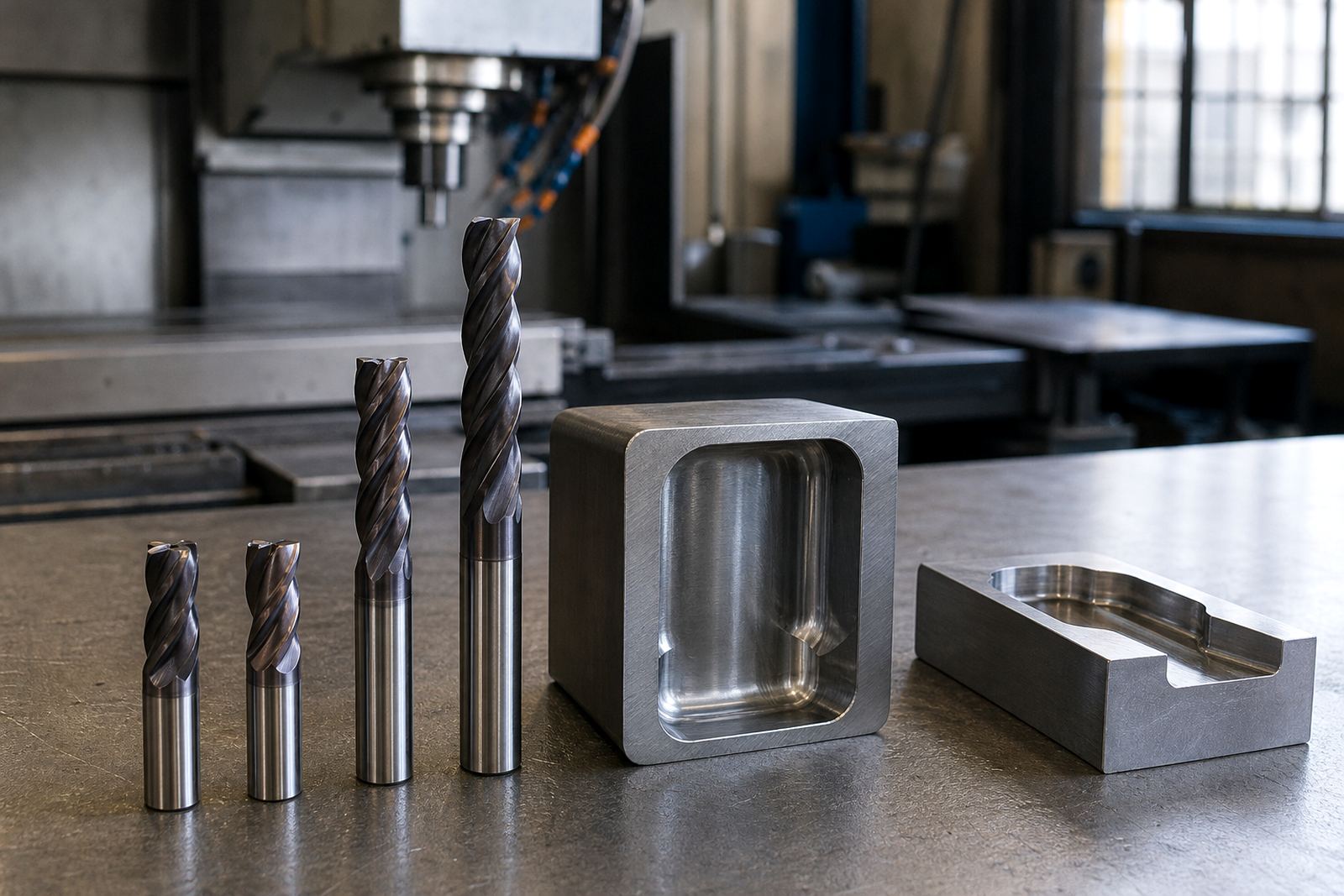
End mill geometry affects how the tool enters the material, how it clears chips and how the finished edge looks. Corner radius cutters are often a better option than sharp square corners when the part sees impact or repeated loading. Ball nose cutters suit 3D profiling, mould work and curved surfaces. Long reach tools are useful for deep cavities but need careful setup to reduce chatter.
Think about helix angle, core strength and edge prep as well. A higher helix can improve chip flow and surface finish, while a stronger core can help the tool stay stable under load. If the cutter is too slender for the depth of cut, it may flex and leave taper or chatter marks. That is where tool life optimisation starts, not after the first broken cutter.
- Square end: general milling, shoulders and flat bottoms
- Corner radius: better edge strength and longer life on many jobs
- Ball nose: 3D contours, moulds and finishing profiles
- Long reach: deep pockets and obstructed areas, but needs careful cutting data
If your part has thin walls or small ribs, choose the most stable tool that still reaches the cut. A shorter, stiffer cutter usually performs better than a longer one with the same diameter.
Set the cutter against the material, not the price tag alone
The cheapest cutter is not always the least expensive option. If a tool wears too quickly, leaves extra deburring or forces a slower feed, the real cost goes up. Material matching is about cutting the right work with the right edge design, coating and substrate. Solid carbide is a strong choice for CNC shops because it holds accuracy and resists wear under the right conditions.
For mild steel and general engineering work, a balanced cutter with stable chip flow often makes sense. For stainless steel, tool life depends heavily on rigidity, coolant delivery and cutting data. Aluminium benefits from sharp edges, polished flutes and chip clearance. Cast iron is abrasive, so wear resistance becomes more important. This is where technical quotations and application support help you compare options properly, instead of guessing from a catalogue line.
- Mild steel: general purpose cutters can work well with correct speeds and feeds
- Stainless steel: needs stable setup, good chip control and heat management
- Aluminium: sharp cutting edges and excellent chip evacuation
- Cast iron: wear resistance and consistent engagement matter most
When in doubt, keep sample tool trials small and controlled. One tested cutter on a real part tells you far more than a long debate at the machine.
Check your machine, holder and setup before you order
Even a good end mill can underperform if the setup is poor. Check spindle condition, toolholder grip, runout, coolant delivery and whether the machine can hold the feed and speed needed. On older machines or during load-shedding recovery, it is worth planning cutting data that is realistic for the actual conditions on the floor. A perfect spec on paper means very little if the machine cannot hold it.
Measure the reach you need, then only go as long as necessary. Too much overhang increases vibration. If the toolholder is worn or dirty, accuracy drops. For busy production shops, stock planning matters too. Keeping common diameters and lengths on hand prevents delays when a job comes in with short notice.
- Confirm spindle speed and power before choosing the cutter
- Check holder size, condition and runout
- Keep overhang as short as possible
- Plan stock levels for your common jobs
If a tool keeps failing in the same way, the problem may not be the cutter. It could be fixturing, chip removal, coolant, or the cutting data itself.
Use a simple buying checklist before you place the order
A practical buying checklist makes repeat orders quicker and safer. It helps your team compare options and keeps production standardising on tools that actually work. At CuTools Carbide in Wadeville, Germiston, the focus is on helping local machining shops choose tools that suit their parts, their machines and their deadlines.
Use this checklist before you finalise an order:
- What material is being cut?
- Is the job roughing, finishing or both?
- Do you need square, radius or ball nose geometry?
- What diameter, length of cut and overall length are required?
- Can the machine handle the feed rate and spindle speed?
- Will coolant reach the cut properly?
- Do you need urgent tool supply, sample trials or a technical quotation?
If a part is critical, ask for application support before the run starts. A quick review of speeds, feeds and tool life can prevent scrap and save a production shift. For many shops, that is where the best value is found, not in the tool box after the order has already been placed.