What our process troubleshooting covers
Our troubleshooting service is built for CNC machining shops that need clear answers, not guesswork. We look at the full cutting process: material, tool geometry, speeds, feeds, holder condition, runout, coolant delivery and the machine setup around it. The aim is to reduce chatter, improve surface finish, extend tool life and get hole quality back under control.
This service suits job shops, production lines and maintenance teams working on stainless steel, mild steel, cast iron, aluminium and alloy steels. Whether the issue shows up on a single machine or across a batch, we help trace the root cause and seperate the symptom from the real problem.
- Chatter and vibration on slots, pockets and side milling
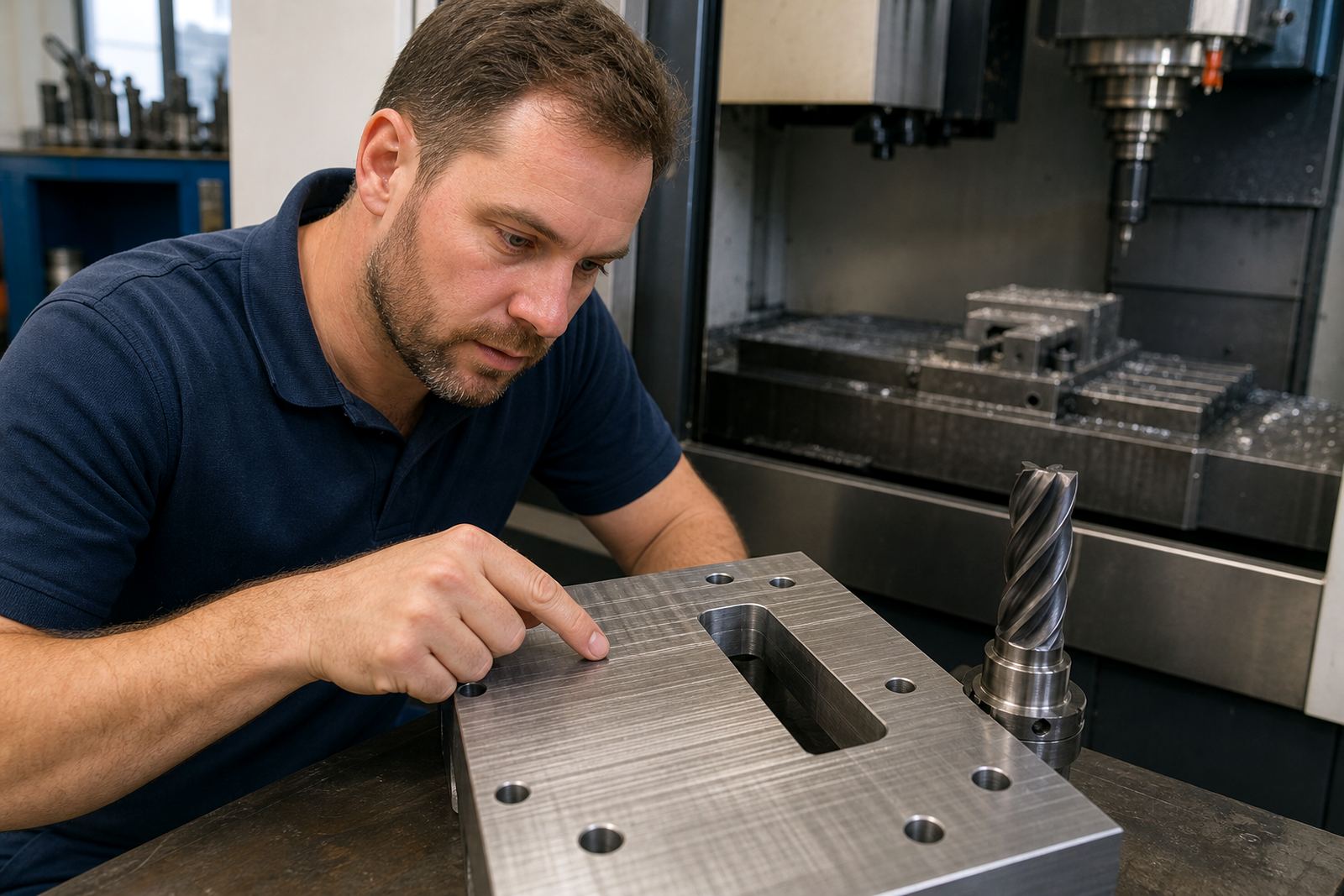
- Poor finish marks, washboarding and burr build-up
- Short tool life, edge chipping and premature wear
- Oversize, tapered or inconsistent drilled holes
How we investigate the problem on your machine
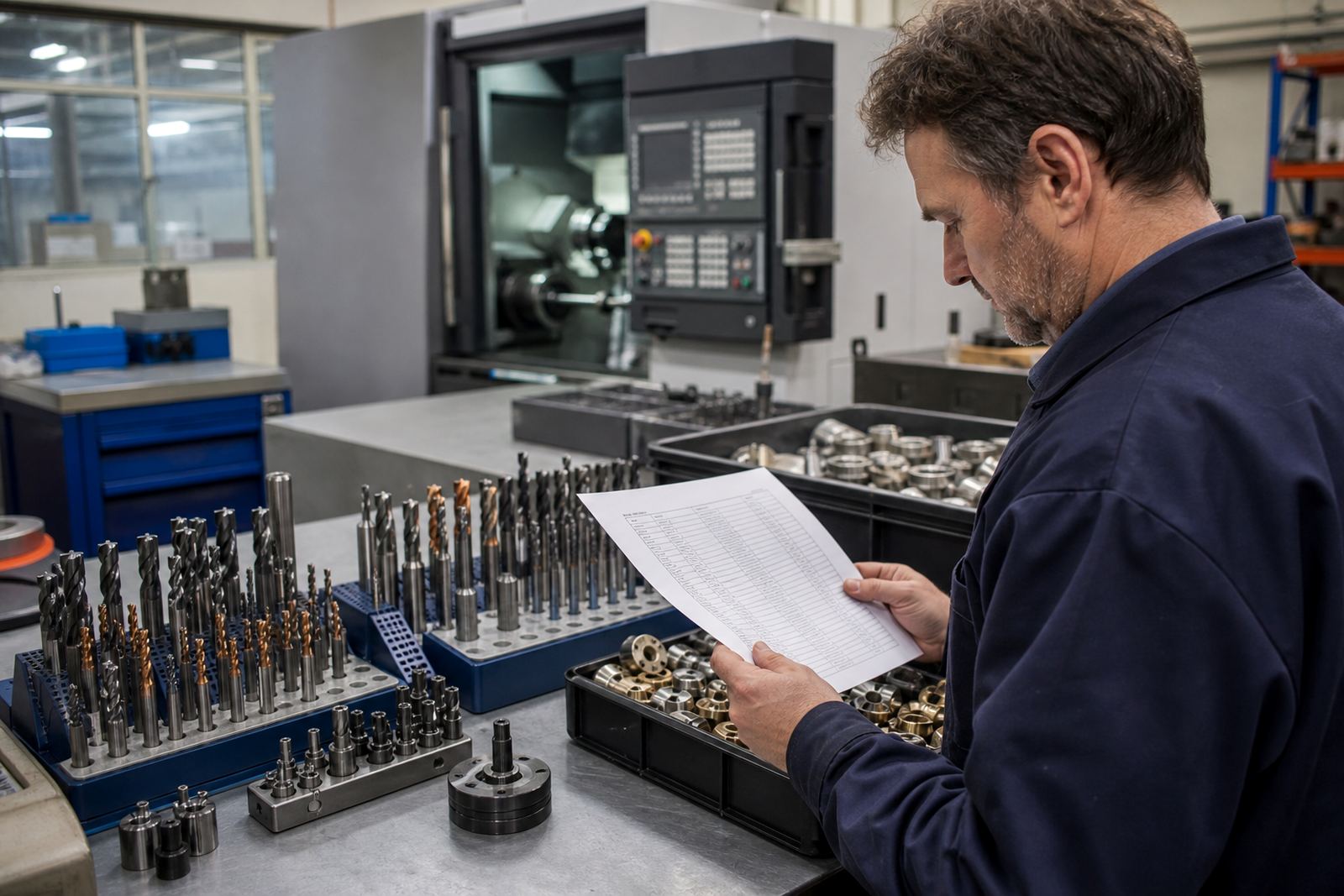
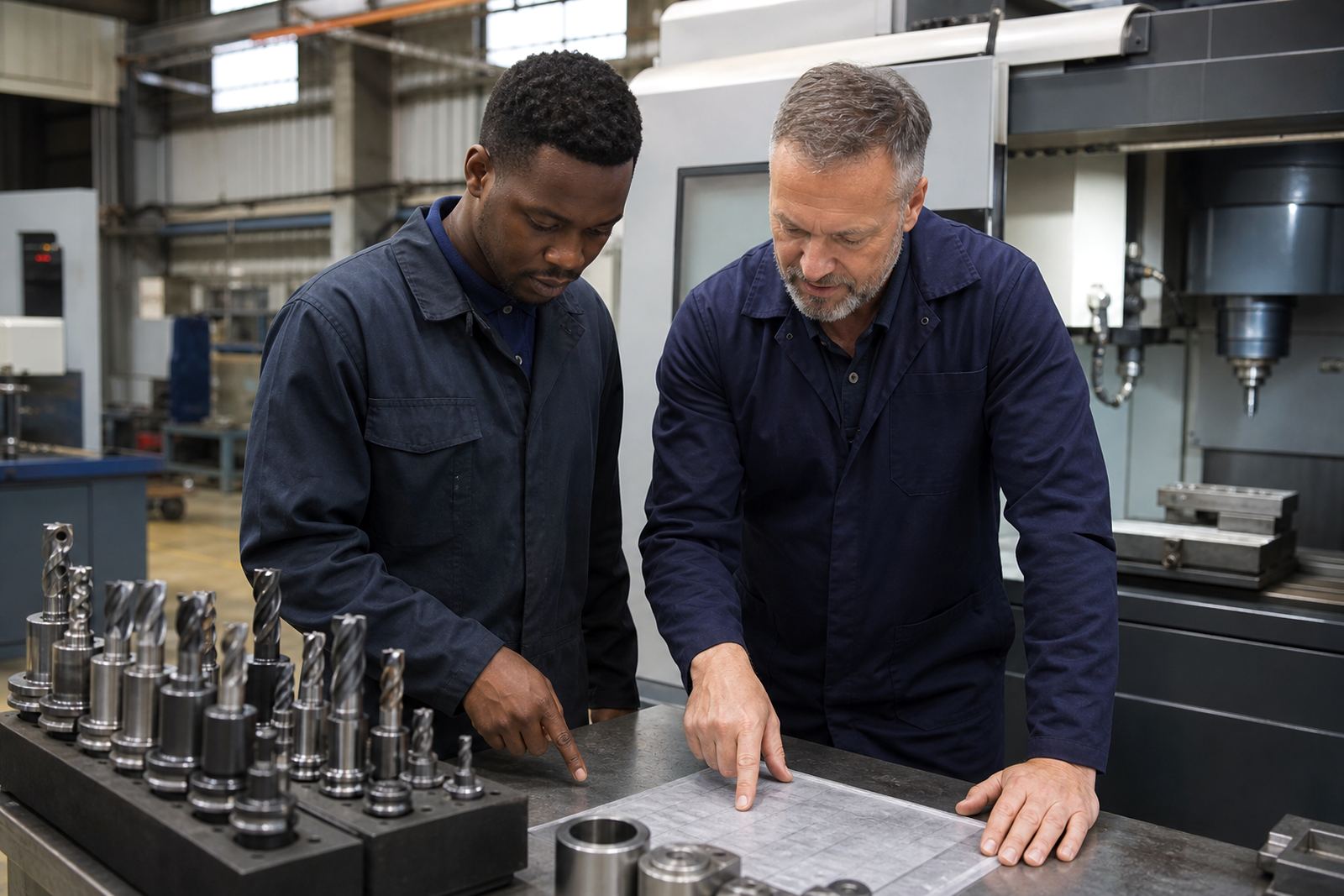
We start with the actual process conditions, because a tool that works well in one workshop can fail in another under different clamping, coolant flow or spindle condition. Our team checks the cutting parameters you are running, then compares them with the tool size, flute count, coating type and the material being machined. If needed, we review the machine's repeatability and the setup around the job as well.
The process often includes sample cuts, wear inspection and a quick review of chip shape and colour. That tells us whether the tool is rubbing, recutting chips, running too fast, or being pushed beyond its chip load. For drilling, we also look at peck depth, exit conditions and hole evacuation. In many cases the fix is small, but it needs to be practical for daily production, not just theory.
- Tool and holder inspection for runout, seating and balance issues
- Cutting parameter review for speed, feed and depth of cut
- Chip control checks for recutting, packing and heat build-up
- Coolant and air delivery checks where they affect performance
Typical faults we solve in South African workshops
In Gauteng, Cape Town, Durban and other busy production areas, we often see the same issues repeated under different names. Coastal humidity can affect storage and corrosion on exposed cutting edges, while load-shedding interruptions can lead to warm starts, stop-start cycles and inconsistent workholding conditions. Those real-world factors matter and they can change how a carbide tool behaves from one shift to the next.
We regularly help with poor hole concentricity, chatter on long-reach end mills, edge breakdown in tough alloys and finish problems on thin-wall parts. Sometimes the fault is a dull tool. Sometimes it is a holder with too much runout, or a feed rate that is too low and causing rubbing. Our job is to narrow it down quickly so your machine can get back into production without wasting more stock.
- Chatter on deep pocketing and side milling
- Short drill life in blind holes and interrupted cuts
- Finish problems on aluminium and stainless components
- Tool marks caused by unstable clamping or spindle wear
Turnaround for urgent production issues
For urgent breakdowns or repeat failures, we work to a practical turnaround based on the urgency of your line and the information you can share with us. In many cases, a first review can happen the same day through the enquiry form, followed by a focused recommendation once we have the tool details, material grade and the current cutting data. If a sample tool trial is needed, we can plan that into the next production window.
Where time matters, we prioritise the jobs that are stopping output or causing scrap. A quick response is more useful when the problem is clearly defined, so we ask for photos of wear, the part material, tool size and the machine setup. That helps us avoid guesswork and give you a fix that can be actioned without delay, even if your site is running split shifts or covering for power interruptions.
Pricing approach for troubleshooting support
Our pricing is based on the level of support required, from a simple technical review through to hands-on process work. A straightforward assessment of tool performance is priced differently from a full production troubleshooting session that includes test cuts, parameter changes and follow-up notes. We keep it transparent so you know what you are paying for before the work starts.
For repeat production problems, we often structure the support around the machine time involved, the complexity of the material and whether urgent stock supply is needed at the same time. If a new tool specification is recommended, we will explain why it is a better fit and where it improves tool life or finish. No unnecessary extras, just the work needed to get the process steady again.
- Simple review of current tool and cutting data
- Full troubleshooting session with test cut support
- Quotation for replacement tools or revised specifications
- Follow-up review where production conditions change
Keeping the process stable after the fix
Once the immediate issue is sorted, the next step is keeping it from coming back. That usually means setting a maintenance interval for tool checks, holder inspection and parameter review. On repeat work, we recommend scheduled reviews when the material, batch size or machine condition changes. It is also worth checking tool life before a tool is fully worn out, because waiting too long can cause a poor finish or a scrap part at the worst possible time.
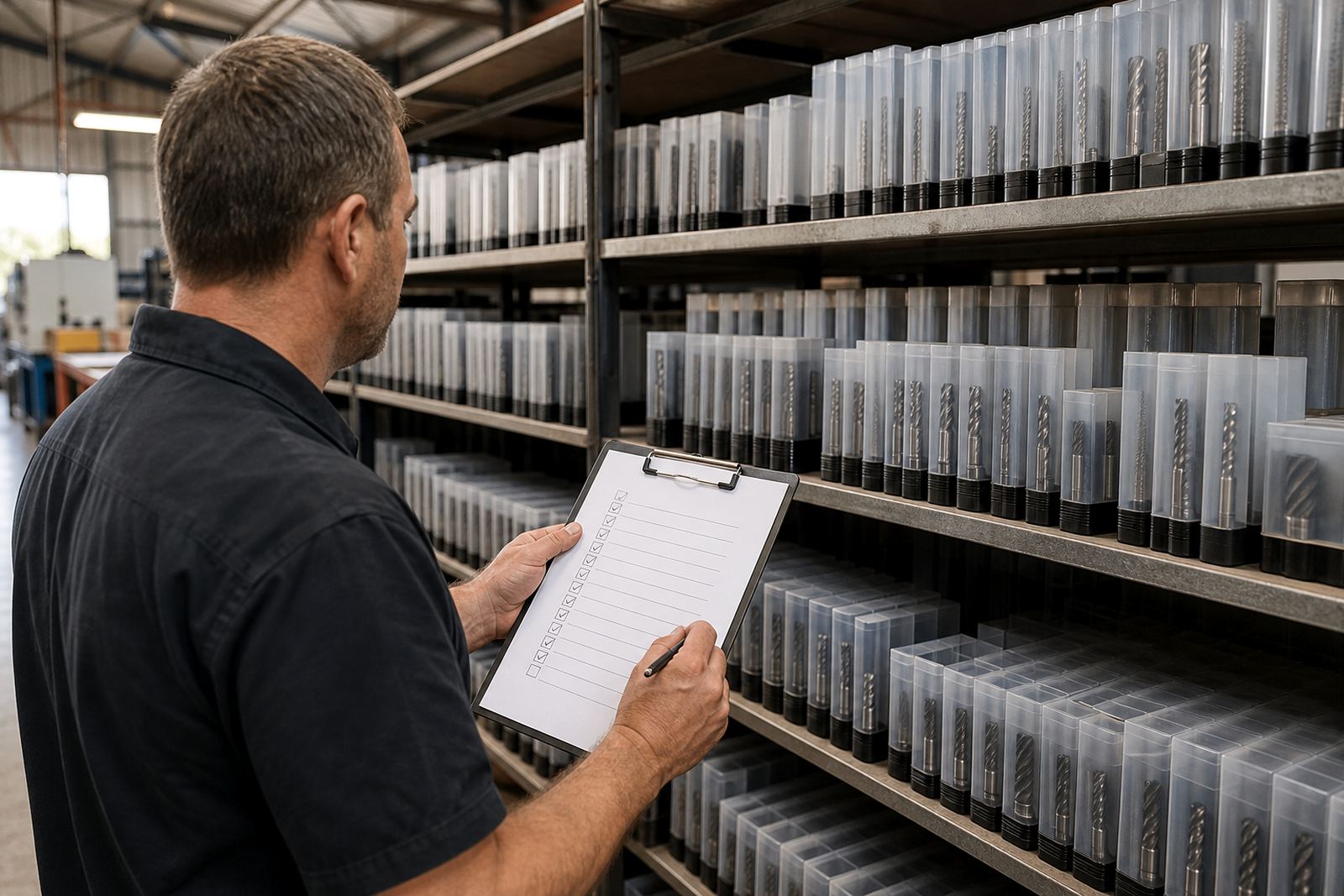
For shops running regular production, we help set practical intervals for tool replacement, regrinds where relevant, and stock planning for high-use diameters. The idea is to keep your process predictable. That matters whether you are running short runs in Johannesburg or steady production in Durban, and it saves time when orders move fast or a machine is down for service.
Key facts
| Tool types | Solid carbide end mills and drills |
|---|---|
| Common diameters | 0.5 mm to 20 mm |
| Flute options | 2 flute, 3 flute, 4 flute and multi-flute options |
| Helix styles | Standard and high helix for different chip loads |
| Applications | Milling, slotting, pocketing, drilling and hole finishing |
| Support areas | Germiston, Johannesburg, Pretoria, Boksburg, Alberton, Centurion, Cape Town and Durban |