What a sample tool trial includes
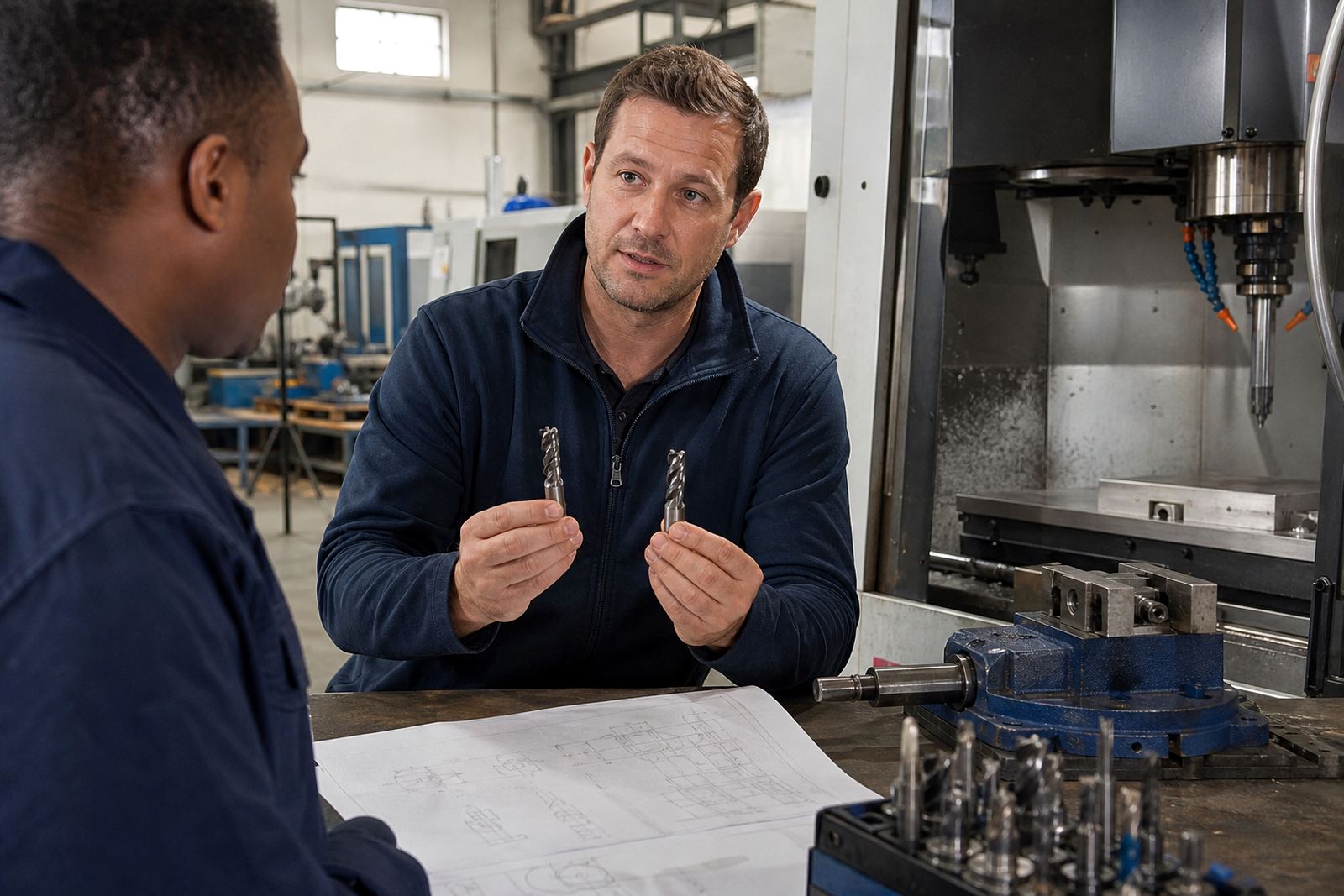
A sample tool trial is a controlled run on one or more selected jobs so you can compare a new cutter or drill against your current tool setup. We supply the agreed test tools, confirm the material type and machine conditions, then help you record the results in a way that is useful to production and purchasing. The aim is not only to see if a tool cuts, but whether it gives better consistency, longer life and fewer stoppages.
Trials are especially useful for shops running mixed batches, thin wall components or hard materials where tool wear can climb quickly. In Germiston, Johannesburg, Pretoria and other busy manufacturing areas, a single bad tool choice can cost more than the trial itself, so we keep the process practical and focused on measurable output. We can also support shops dealing with load shedding, coolant variation or inconsistent material stock, because those factors change the result more than many teams expect.
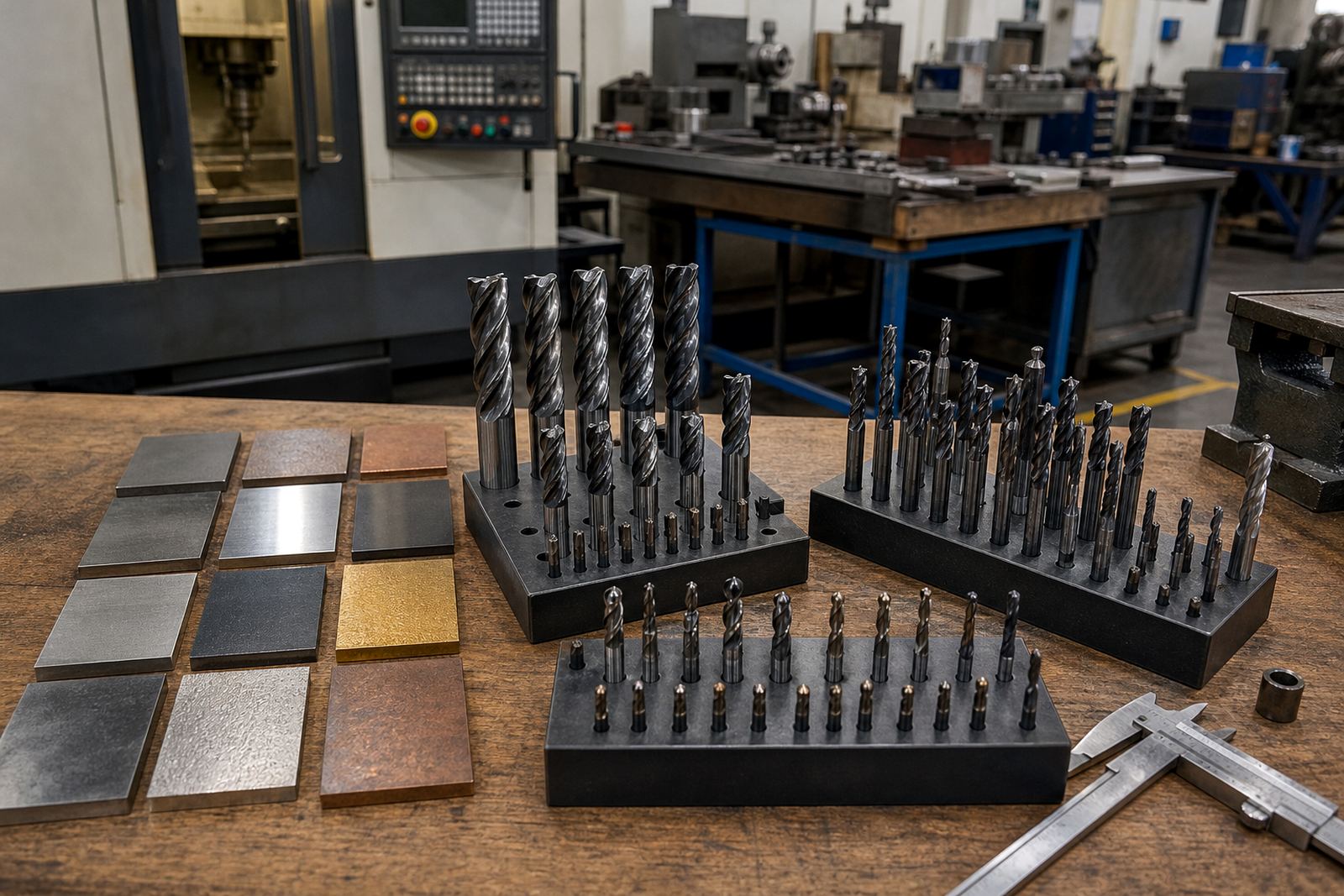
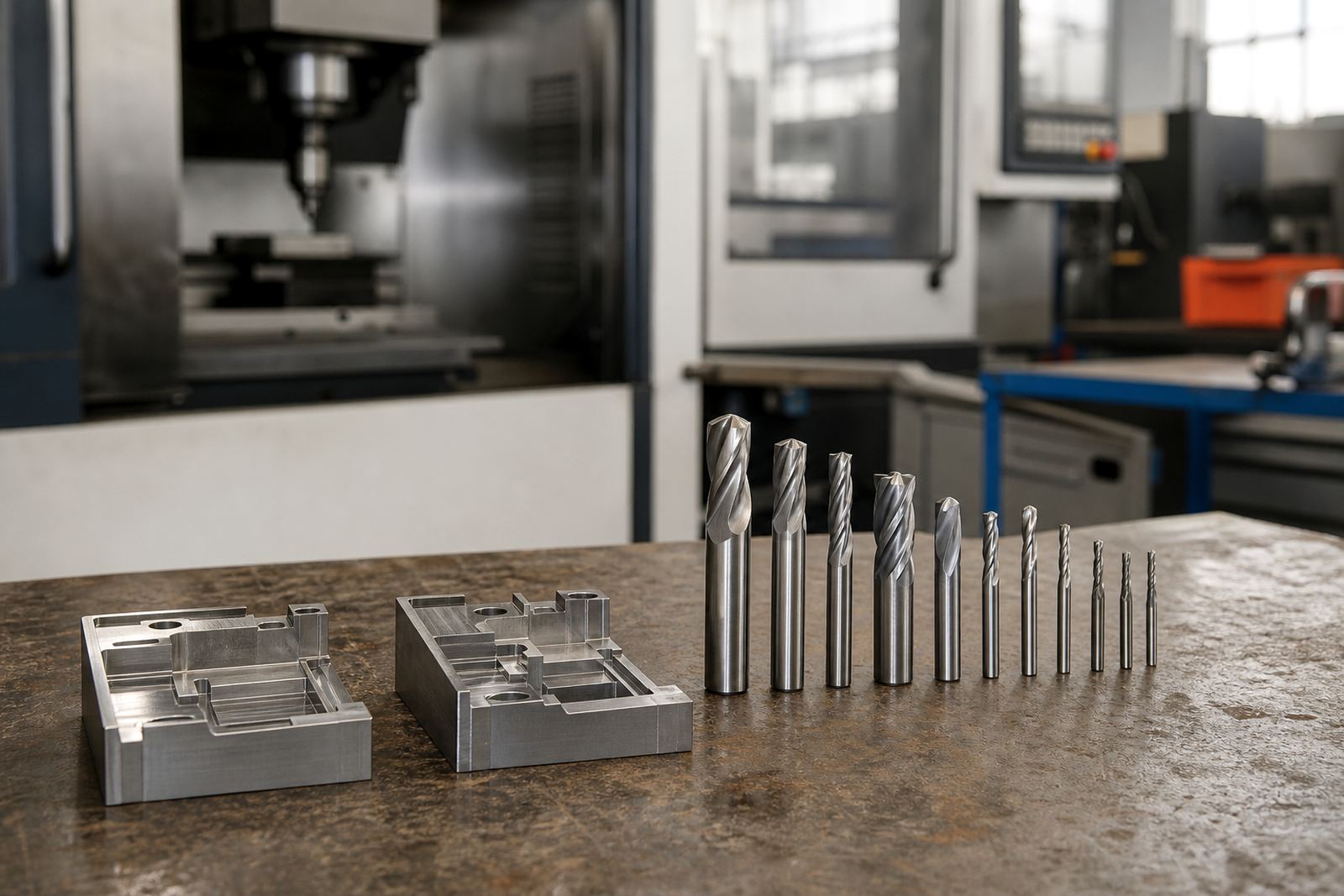
- Solid carbide end mills for roughing, finishing and slotting
- Solid carbide drills for blind and through-hole work
- Comparison on mild steel, stainless steel, cast iron, aluminium and tool steel
- Trial notes covering wear, chip evacuation, finish and cycle time
- Feedback for operators, setters and production planners
How we run the trial from first part to final report
We start with a short needs review through the enquiry form on our contact page. From there we ask for the material grade, machine type, holder style, spindle speed range, coolant method and the current tool path. If needed, Johan Smit and the technical team will help select the most suitable diameter, flute count, corner radius, coating style and drill geometry for the job.
Once the tool is chosen, we agree the test conditions. That usually means a fixed number of parts, a known cutting length and a target outcome such as better surface finish, lower cycle time or improved tool life. We prefer trials on real production work rather than a lab style test, because that shows how the tool behaves under actual shop conditions. If the part is critical, we can suggest a stepped approach that starts conservatively and then pushes speed feed levels once the cut is stable.
- Step 1: Send the job details and current tool data
- Step 2: Confirm the test tool specification and quantity
- Step 3: Run the trial on the selected CNC machine
- Step 4: Compare wear, size control and finish after each set
- Step 5: Review results and decide on standardisation or adjustment
Typical turnaround for trials in South African workshops
Turnaround depends on stock, the tool size and where the job is being run. For common end mills and drills used in CNC machining centres, we can often respond quickly with available stock from our Wadeville base in Germiston. For special diameters or less common geometries, lead time is longer, but we will always give a realistic estimate before the trial begins.
Most trial requests are handled in a way that suits production planning. In Gauteng, many shops need quick action for a job that is already live, while coastal workshops in Cape Town, Durban and Gqeberha sometimes need extra attention to rust protection and packaging because humidity can affect stored tooling. If the trial needs to happen over several shifts, we can help structure the check points so results stay comparable, even when different operators are involved.
- Common stock items can often be moved into trial supply quickly
- Special requests are handled against confirmed availability
- Urgent trials can be prioritised where production risk is high
- Packaging and handling are kept suited to coastal or high-humidity conditions
Pricing approach for trial-based support
We keep pricing straightforward and linked to the work involved. In many cases the trial tools are priced as normal supply items, with the value shown clearly on the quotation. Where extra support is needed, such as application review, process comparison or follow-up recommendation notes, that is discussed upfront so there are no surprises. The point is to make the decision easy for the buyer and the production team.
If a shop wants to test more than one tool option on the same job, we can quote the alternatives side by side. That helps when a team is deciding between a faster roughing tool, a longer life finishing cutter or a different drill point geometry. We do not push unnecessary options, because the best value is usually the setup that keeps the machine running with fewer tool changes and less scrap. Sometimes the cheaper tool looks fine on paper, but costs more once wear and rework are counted.
- Clear quote for each trial tool and any added support
- Side by side comparisons where two or more options are tested
- Advice on whether a trial should be repeated on a second machine
- Recommended follow-on stock levels if the tool proves suitable
Maintenance intervals and when to retest
Once a tool passes trial, the next step is to keep the result stable. That means checking wear patterns at sensible intervals rather than waiting for a sudden breakage. For end mills, we usually advise inspection at the first signs of edge dulling, chip packing or a change in surface finish. For drills, watch for hole size drift, burr increase and longer cycle time. A good trial is only useful if the production team keeps the same discipline afterward.
Maintenance intervals vary by material and duty cycle. A shop cutting aluminium all day will not inspect at the same interval as one machining abrasive stainless or tool steel. In practice, we often suggest a review after the first batch, then again after a confirmed number of parts or hours on cut. If coolant concentration changes, a new operator takes over, or the machine has had a spindle service, the job should be retested because the original settings may no longer give the same result.
- Inspect after the first production batch and record tool wear
- Retest after material changes, coolant changes or machine servicing
- Review holder condition, runout and flute wear on a schedule
- Keep a simple tool log for repeat jobs and standardised settings
Who benefits most from sample tool trials
Sample tool trials are ideal for machine shops that want proof before committing to larger stock orders or process changes. That includes general engineering firms, CNC subcontractors, production houses and maintenance workshops across Johannesburg, Pretoria, Boksburg, Alberton, Centurion, Cape Town, Durban and Gqeberha. It also suits teams that are under pressure to reduce tool cost per part, shorten cycle times or improve repeatability on a high volume job.
Our team in Wadeville works with Marius van der Merwe, Lerato Mokoena, Johan Smit, Anele Dlamini, Priya Naidoo, Thabo Molefe and Zanele Khumalo to make sure the trial is practical from enquiry to delivery. Whether the need is a single trial cutter or a small set of drills for comparison, we keep the process simple, measured and focused on the job at hand. If the trial shows a clear win, we can help with stock planning for repeat production so you are not caught short on the next order.
- Useful for first-time tooling decisions and process changes
- Helpful when a part is expensive and scrap must be reduced
- Ideal for repeat work where standardising saves set-up time
- Suitable for shops needing evidence before approving wider use
Key facts
| Tool types | Solid carbide end mills and solid carbide drills |
|---|---|
| Common sizes | From small diameter precision tools to larger production sizes, subject to stock |
| Trial focus | Wear rate, finish, cycle time, hole quality and tool consistency |
| Materials | Mild steel, stainless steel, cast iron, aluminium and tool steel |
| Supply areas | Germiston, Johannesburg, Pretoria, Boksburg, Alberton, Centurion, Cape Town, Durban and Gqeberha |
| Support mode | Technical quotation, application advice, process review and follow-up standardising |